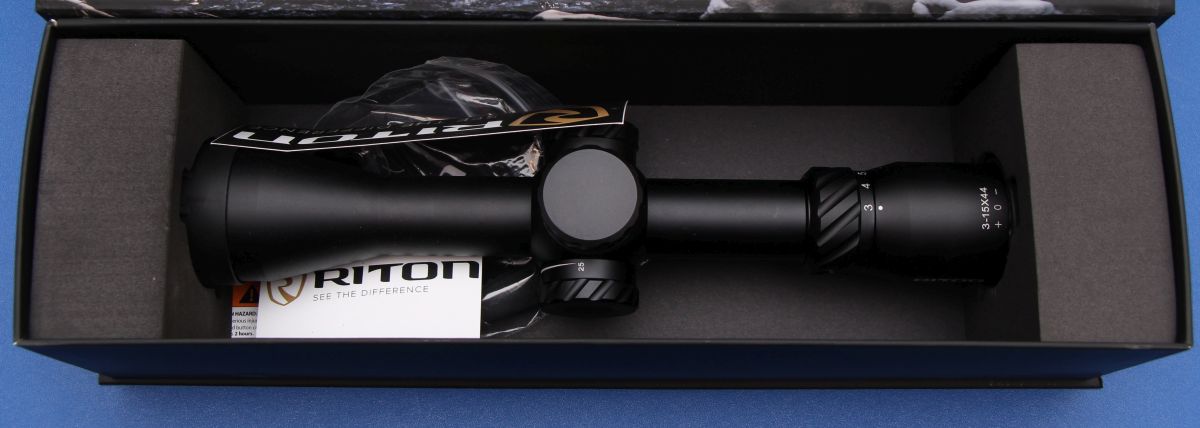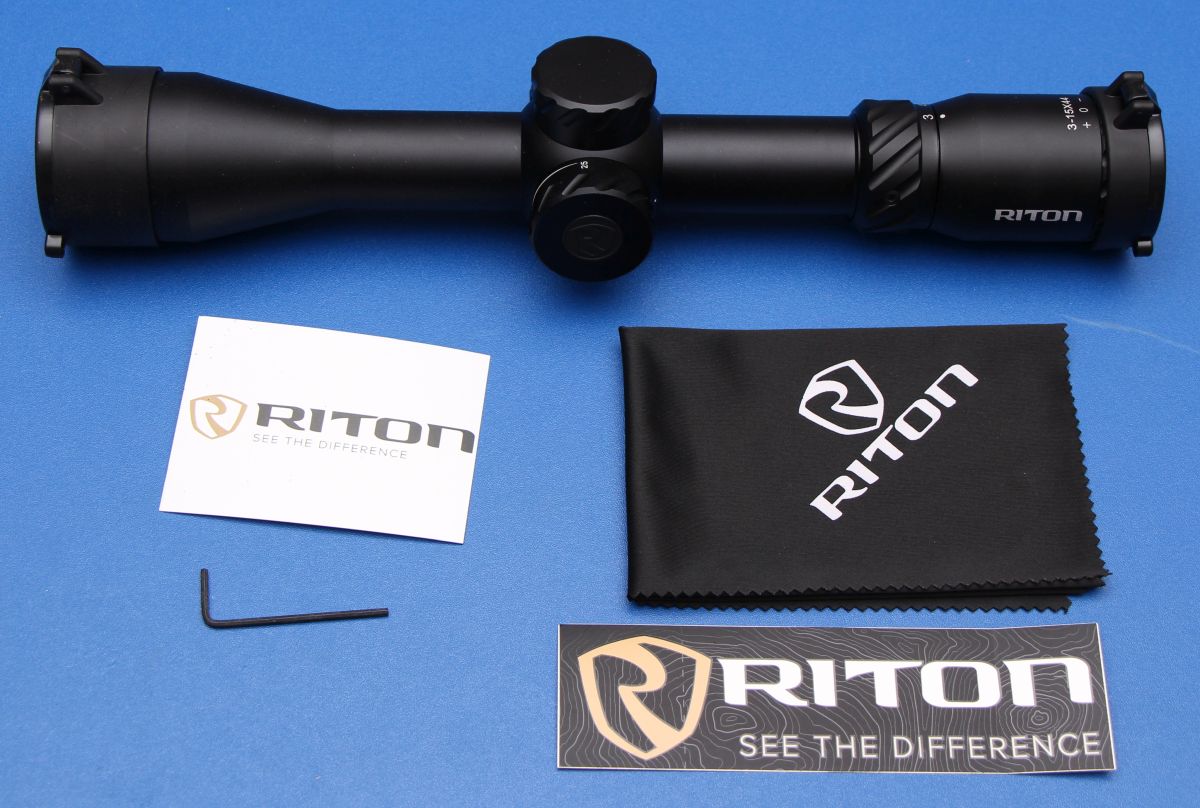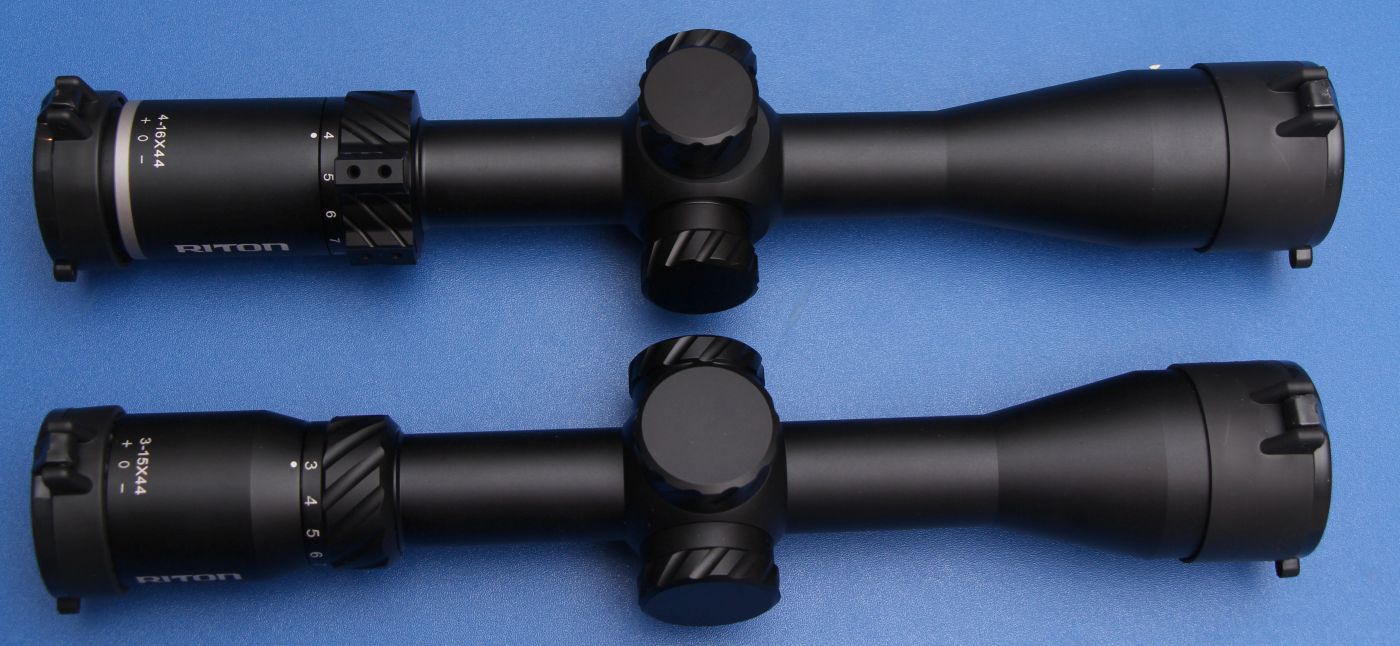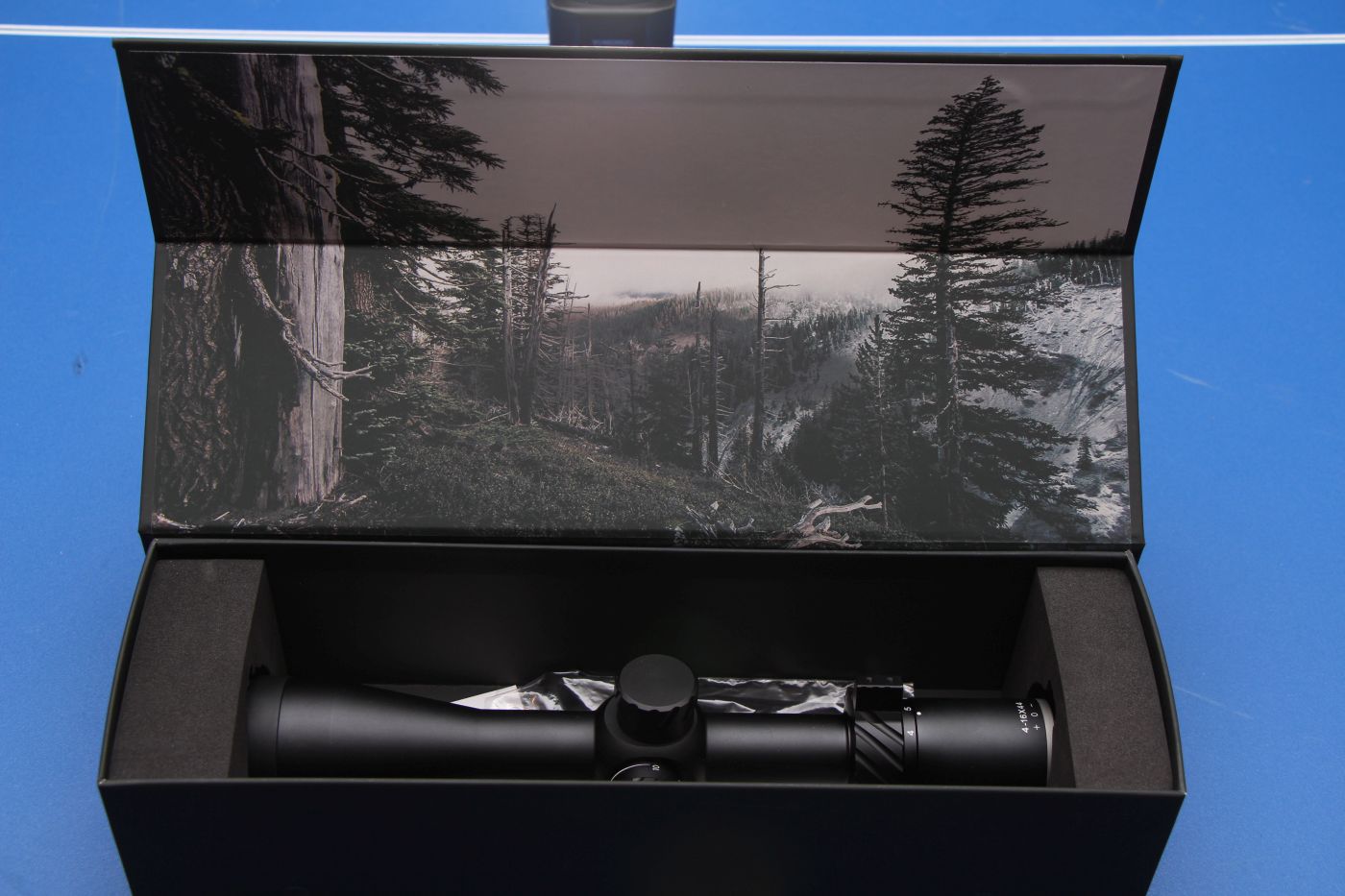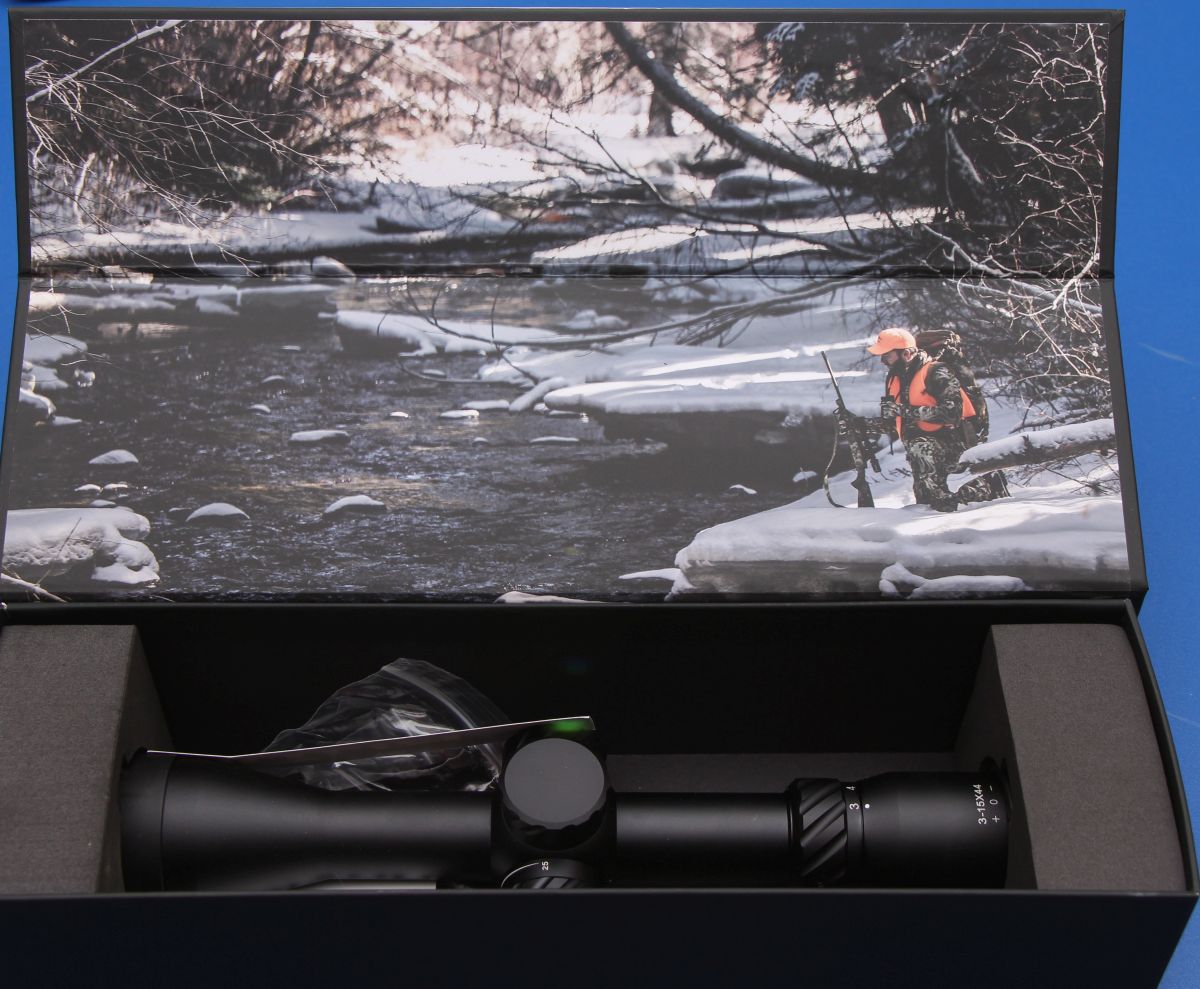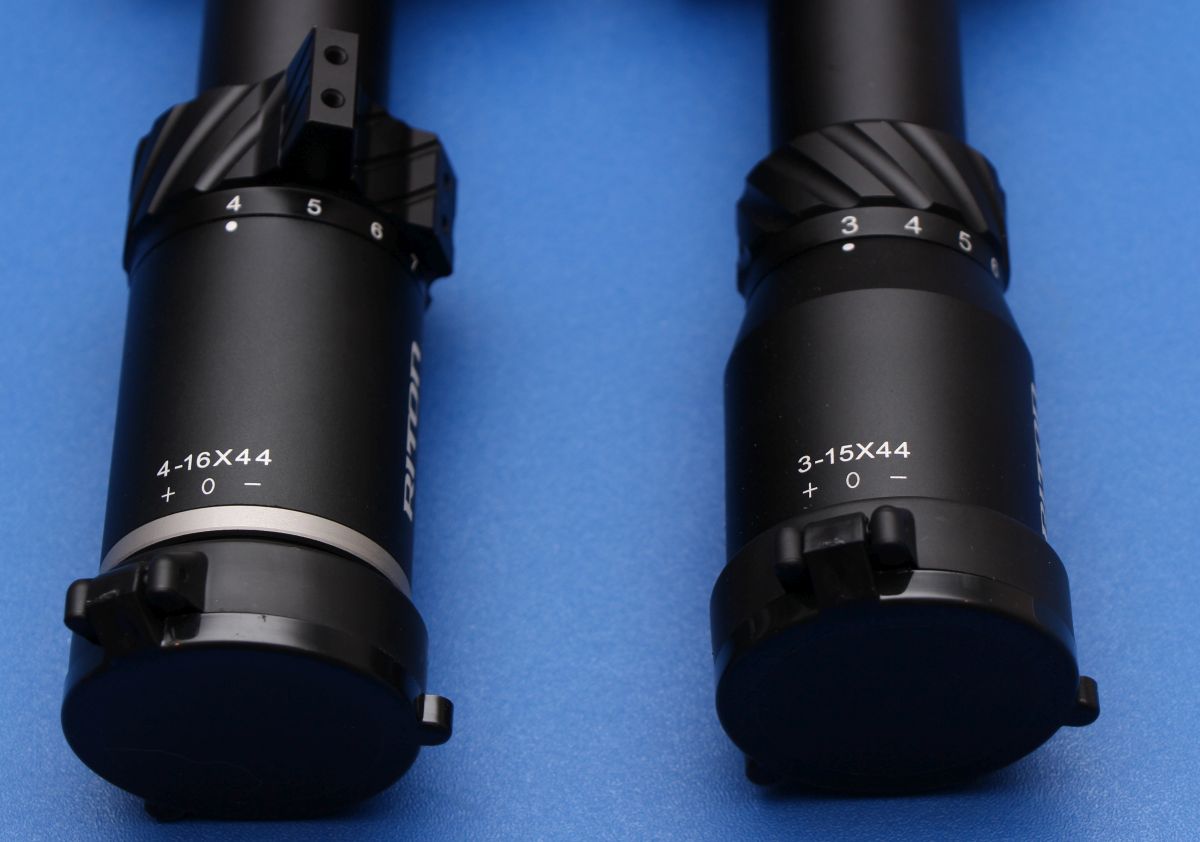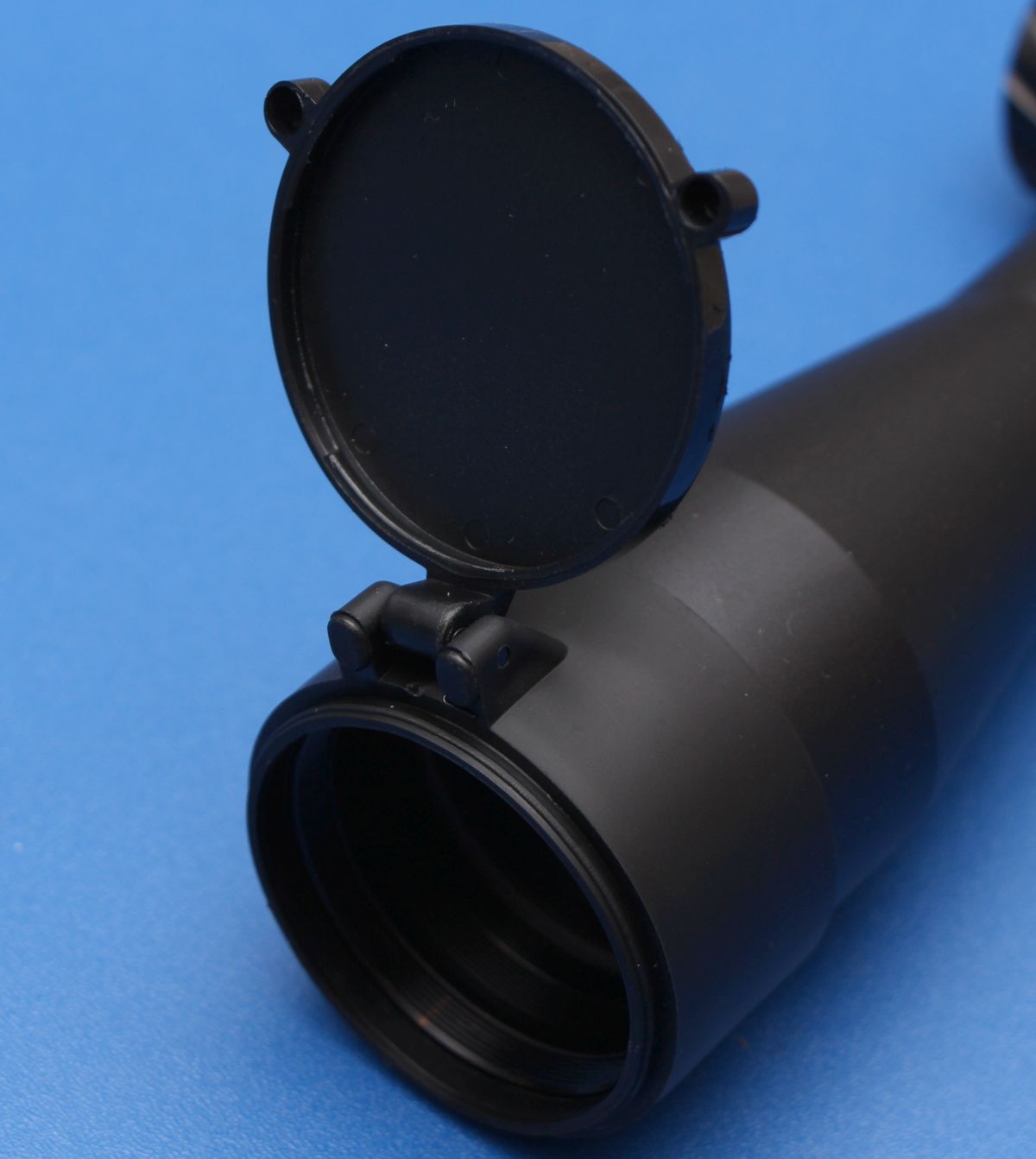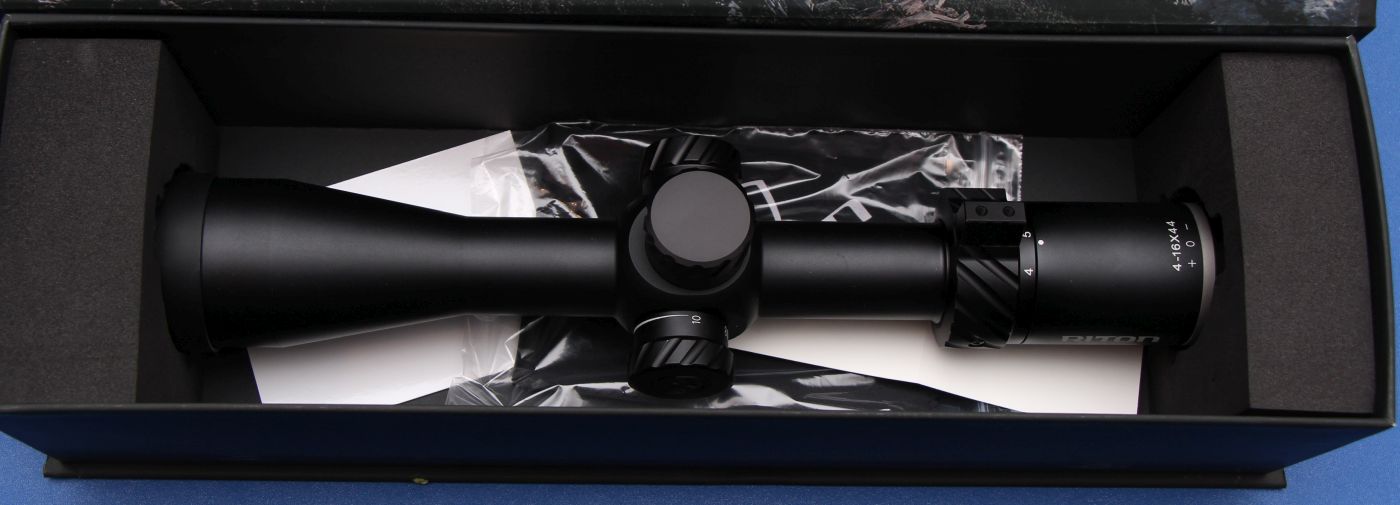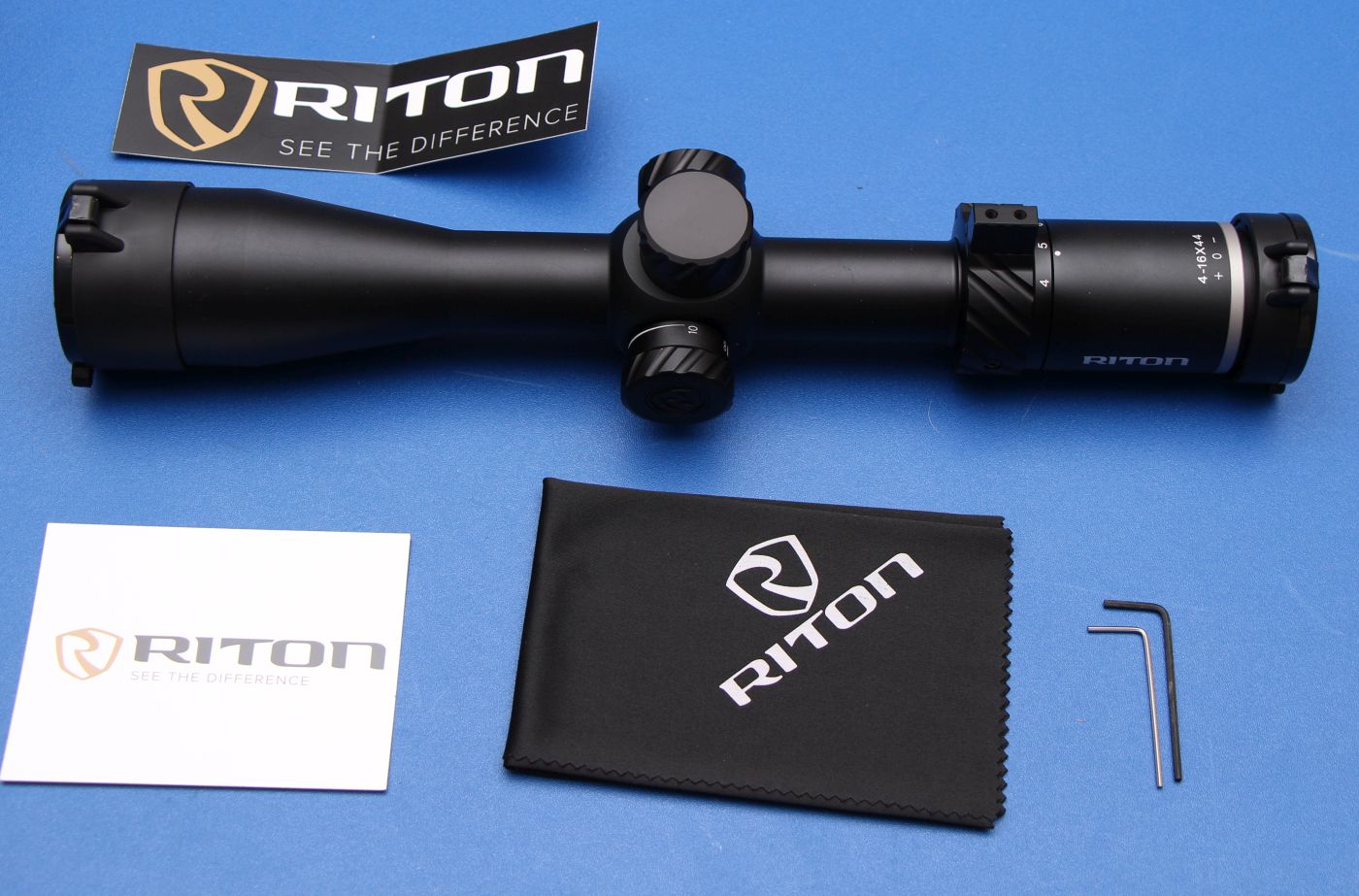
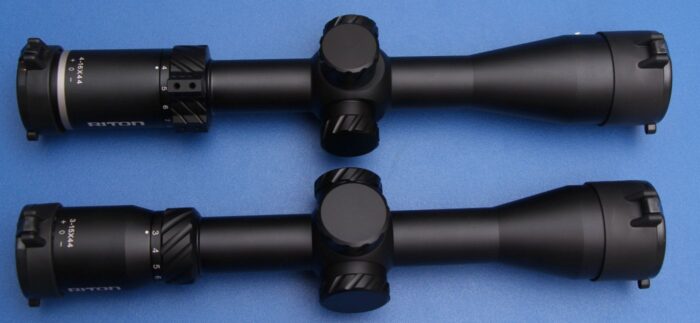
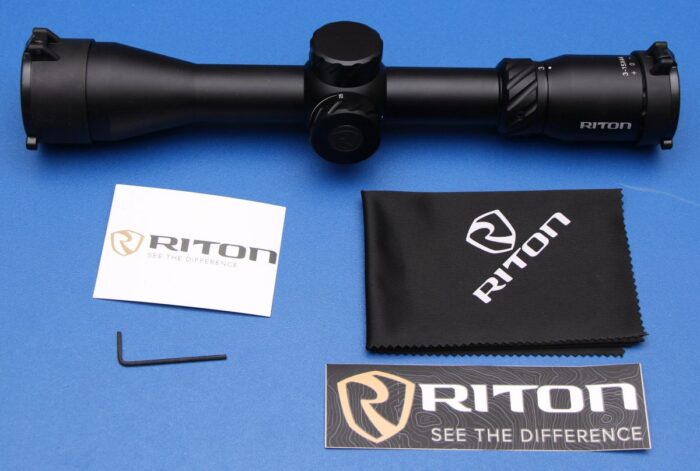
Finding a mid-tier scope that doesn’t feel like a compromise can be tricky. Riton has been making waves by offering high-end features — like HD glass and rugged 30mm tubes — at prices that don’t require a second mortgage. This season, I put two of their popular 3 Primal offerings to the test: the 3-15×44 LW (Lightweight) and the 4-16×44.
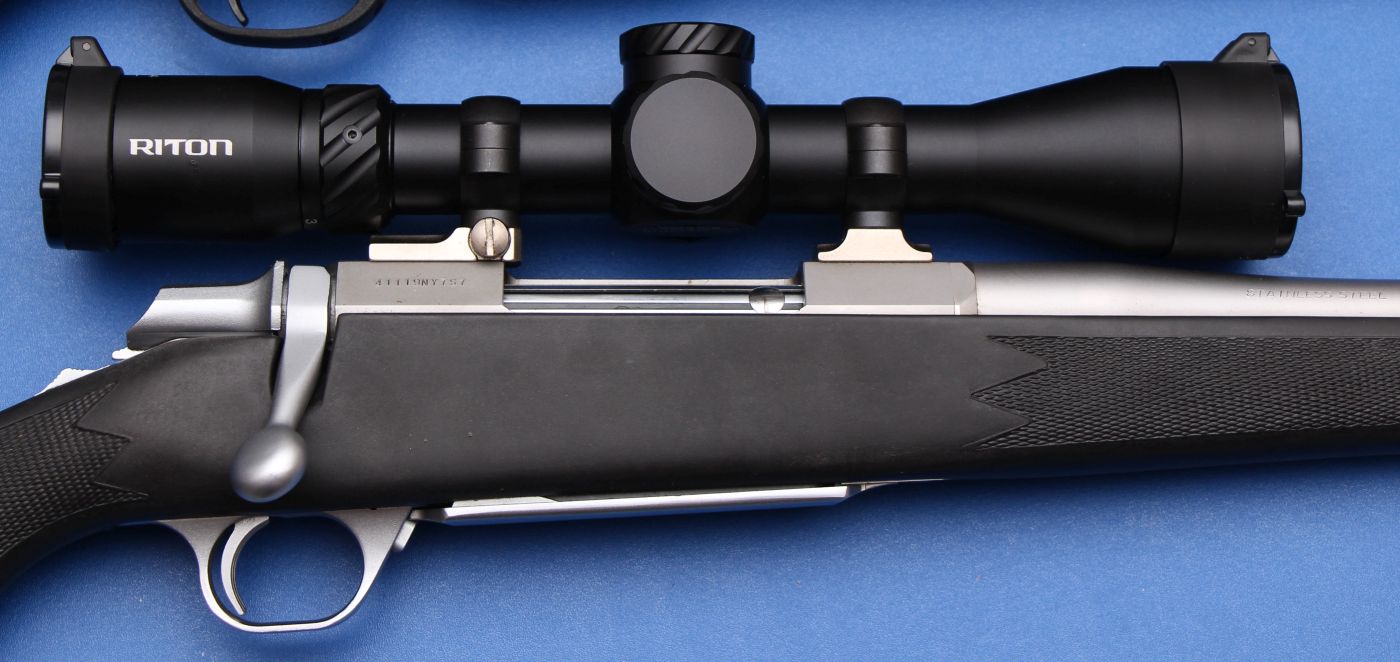
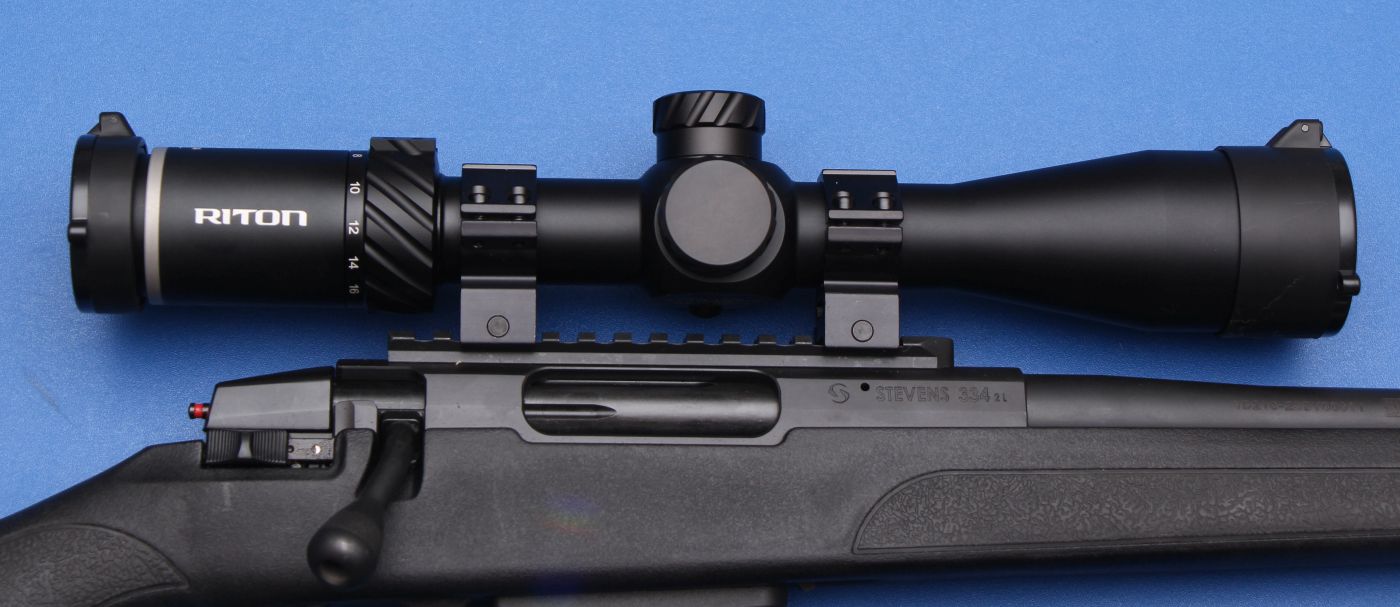
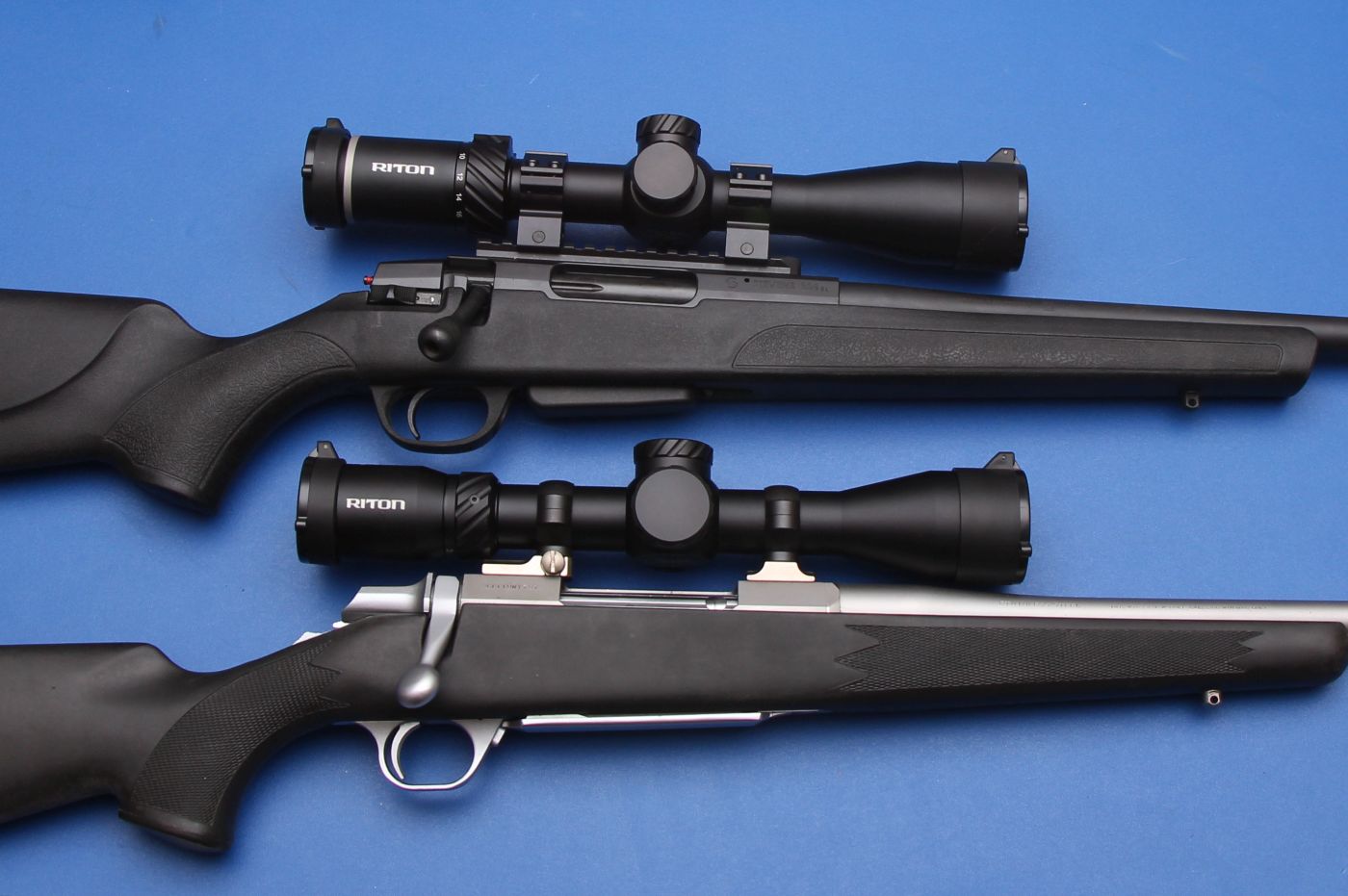
I ran the 3-15×44 LW on my Browning A-Bolt in .300 Win Mag and mounted the 4-16×44 on a Savage 334 in 6.5 Creedmoor. After a full season and successful fills on two deer tags, here is how they stacked up.
Note: I asked Riton to send me these scopes for review.
Overview
The 3 Primal series is Riton’s dedicated hunting line. Both scopes feature 30mm tubes, capped turrets, and Second Focal Plane (SFP) reticles. The standout difference is the “LW” designation on the 3-15, which is designed specifically for backcountry hunters where every ounce matters.
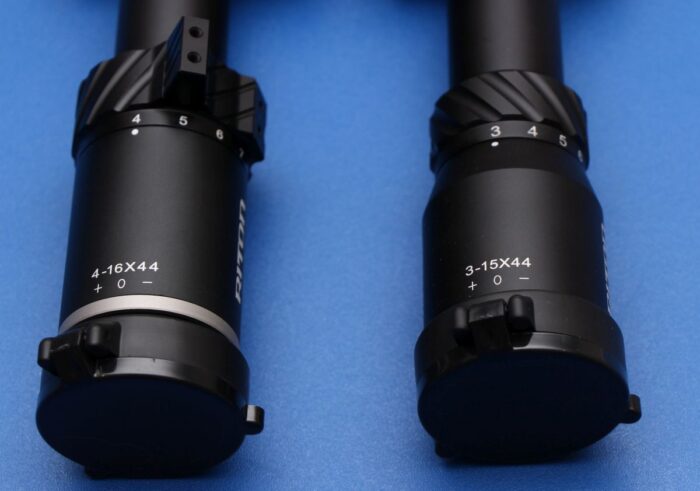
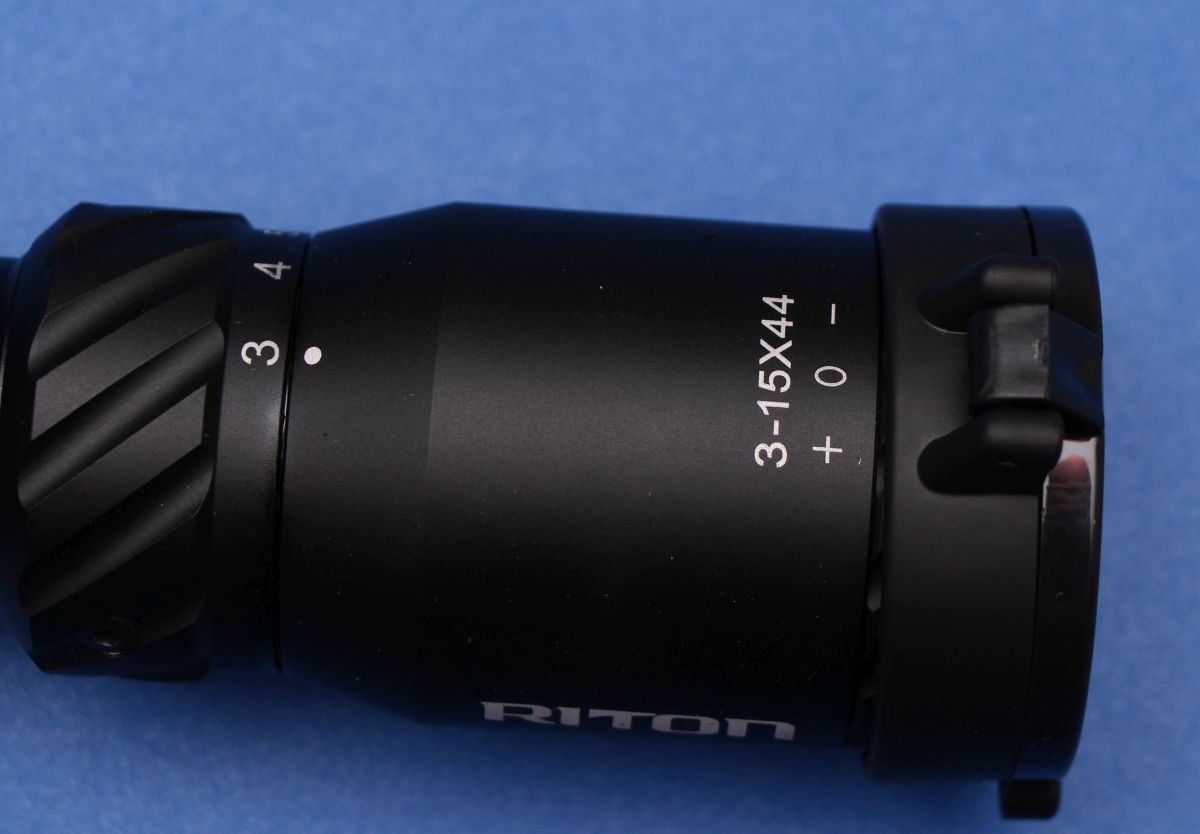
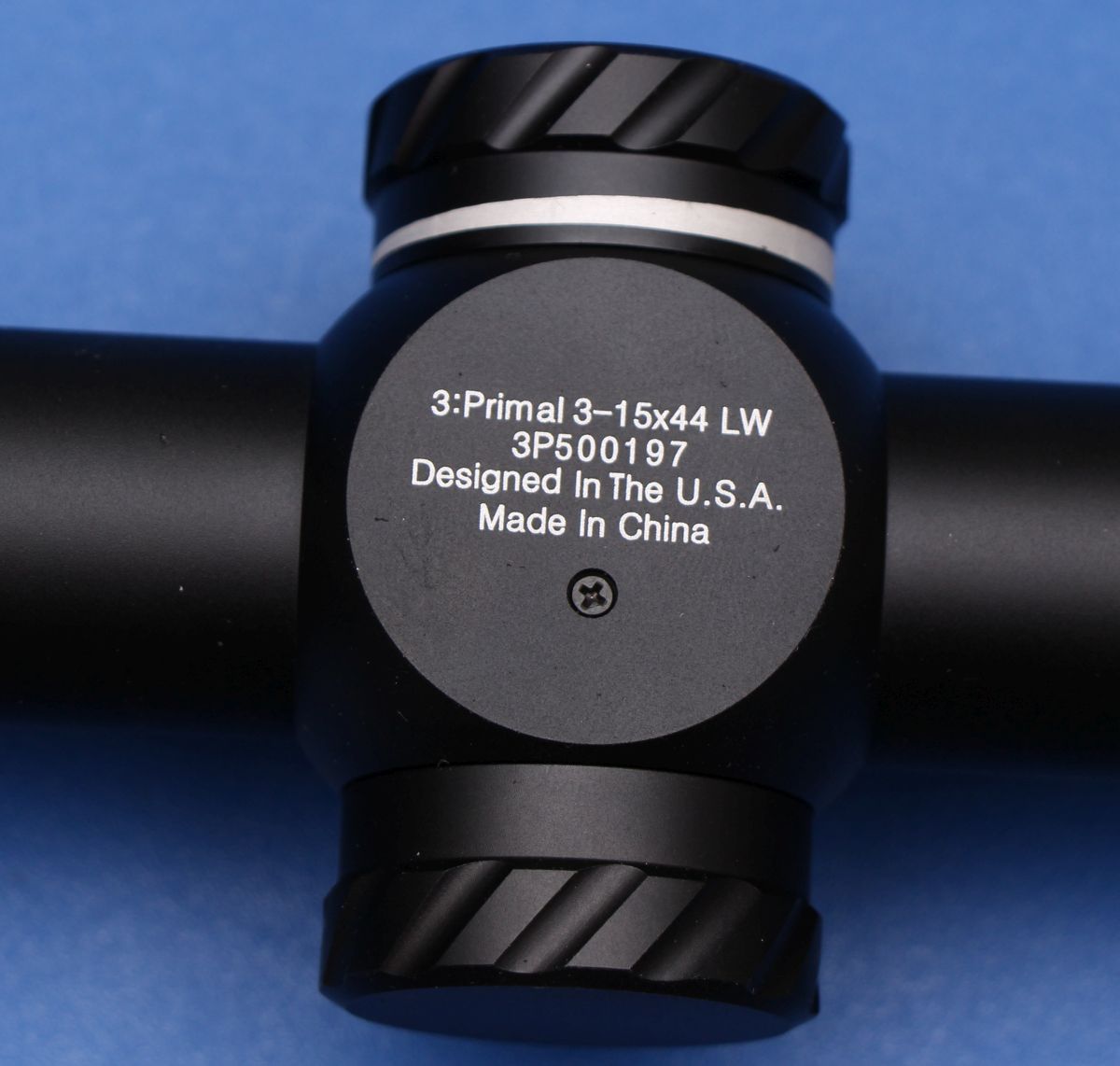
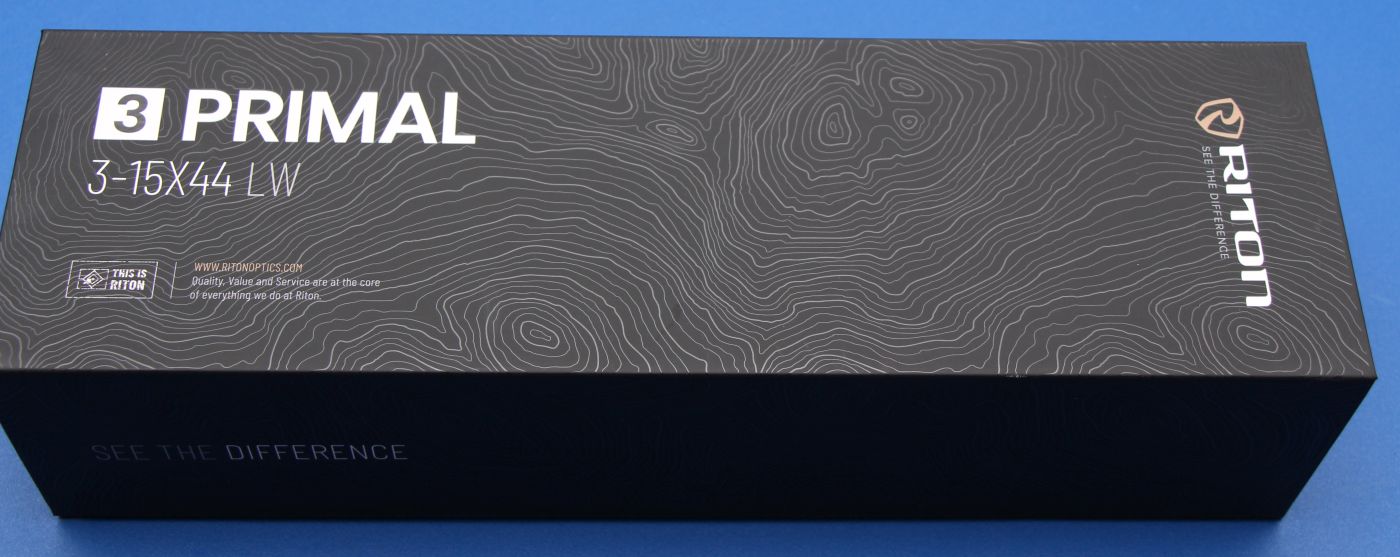
3 Primal 3-15×44 LW Specifications
- Weight: 20.5 oz
- Tube Diameter 30mm
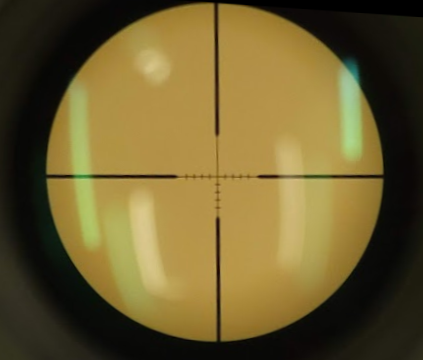
- Reticle XRP (MOA) – see below
- Parallax 25 yards to Infinity
- Eye Relief 3.54 inches
- MSRP: $659
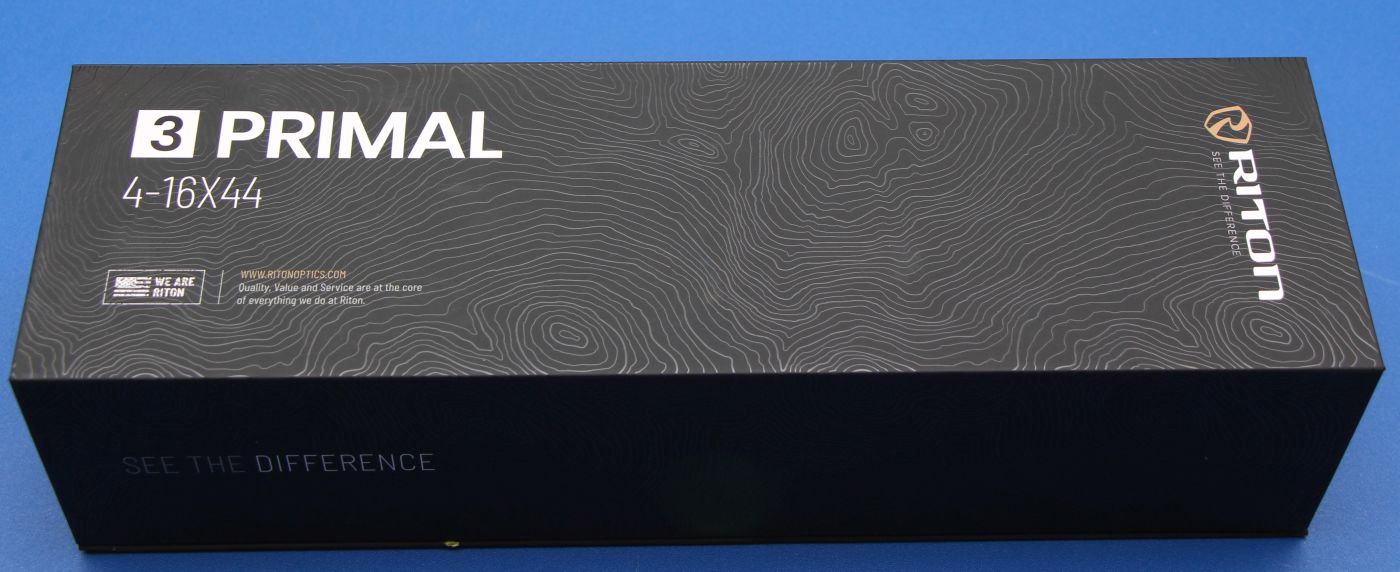
3 Primal 4-16×44 Specifications
- Weight: 26.5 oz
- Tube Diameter 30mm
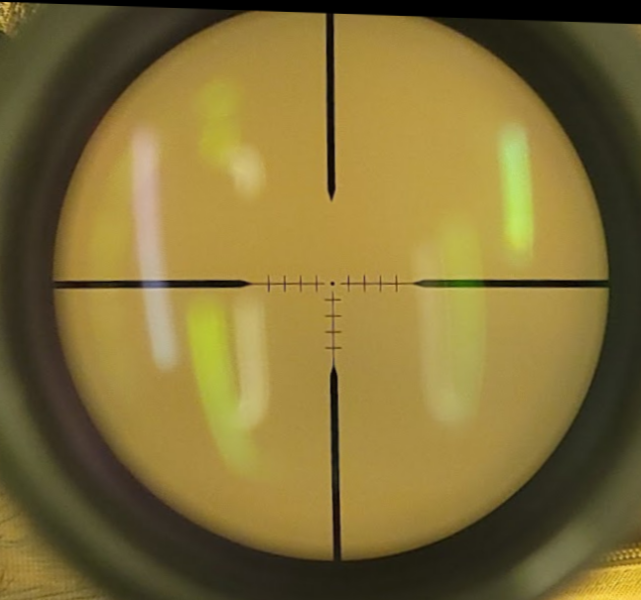
- Reticle DHR or Duplex – see below
- Parallax 10 yards to Infinity
- Eye Relief 3.9 inches
- MSRP: $439
Usability
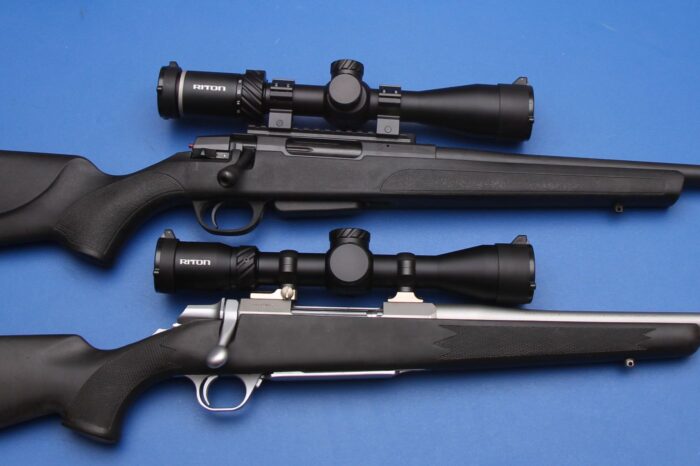
3-15×44 LW on the .300 Win Mag The first thing you notice about the LW is the weight — or lack of it. At 20.5 ounces, it felt right at home on my Browning A-Bolt. Despite the light build, it handled the stout recoil of the .300 Win Mag without any shift in zero. The glass is surprisingly clear for this price point, providing good edge-to-edge sharpness during the “golden hour” when the deer started moving. The XRP reticle is clean, though the subtensions are fine, so you’ll want to make sure your eyes are dialed in for low-light shots.
4-16×44 on the 6.5 Creedmoor The 4-16 is a more traditional “do-it-all” scope. It is a bit heavier than the LW model, which helped balance the Savage 334 that my son shot this year. The extra magnification on the top end (16x vs 15x) isn’t a huge jump, but the parallax adjustment goes down to 10 yards, making this a much better cross-over scope if you also want to use it for rimfire practice or precision work.
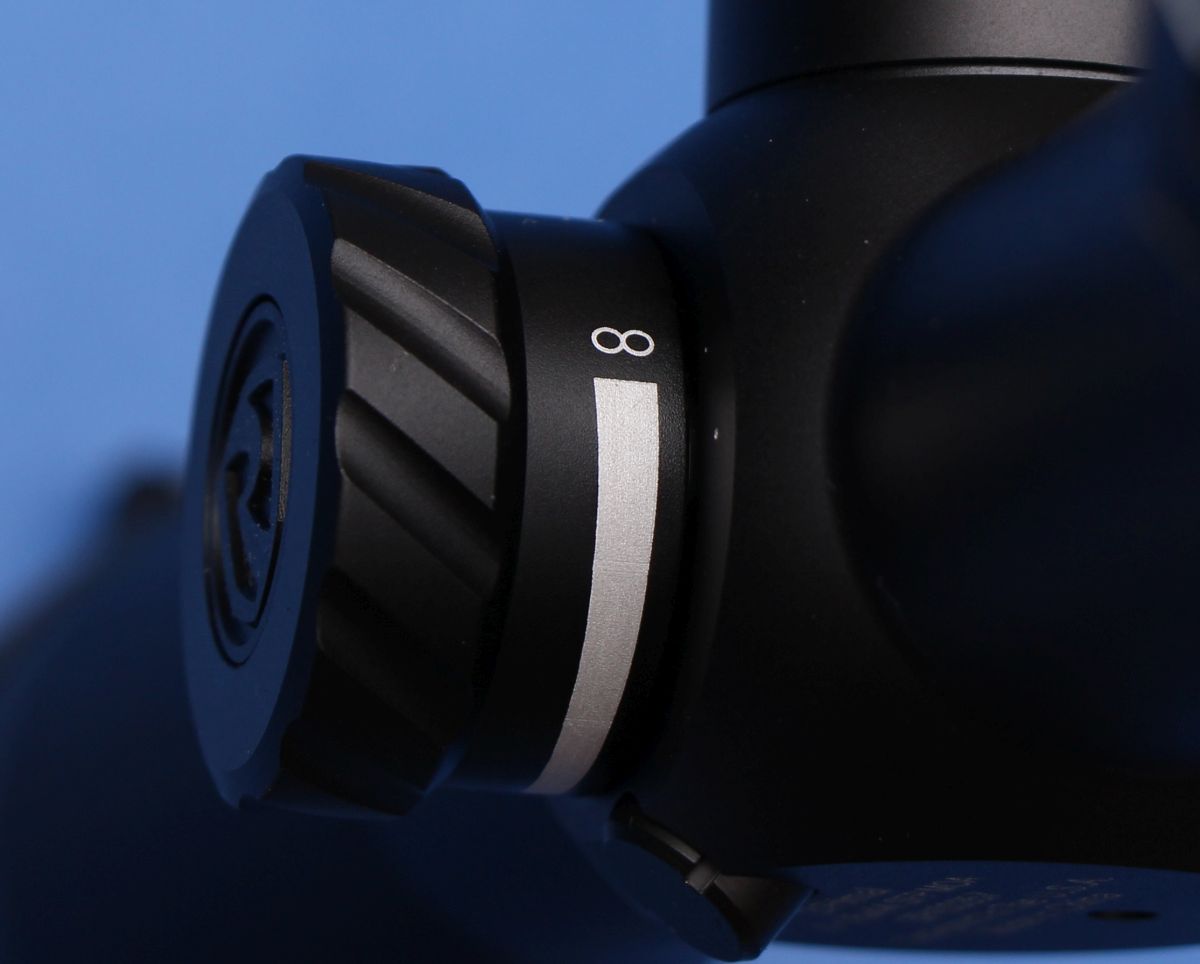
Turrets and Tracking Both scopes feature capped, zero-resettable turrets. The clicks are tactile and audible. While most hunters will “zero and forget,” I did dial a few times for a longer practice session (shooting at 500 and 800 meters) and found the tracking to be repeatable.
Aftermarket and Potential Modifications
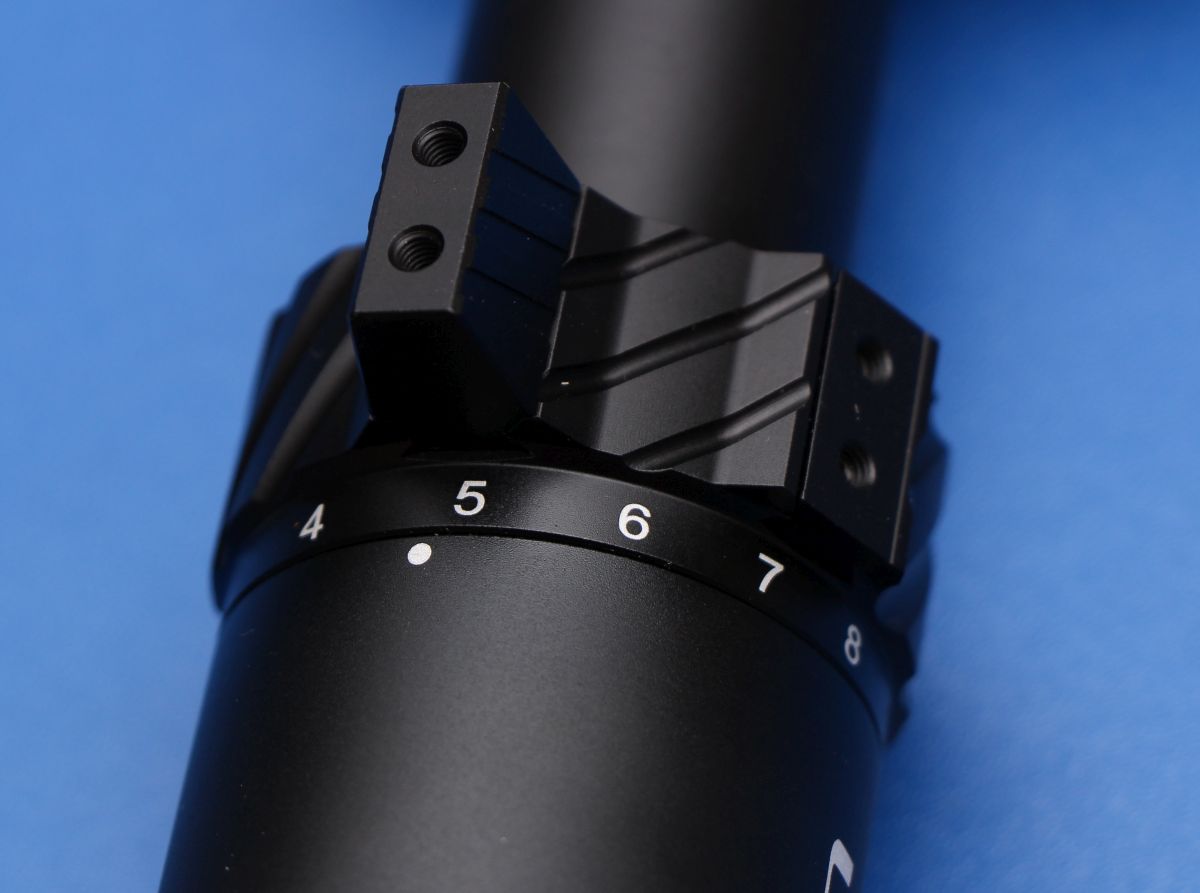
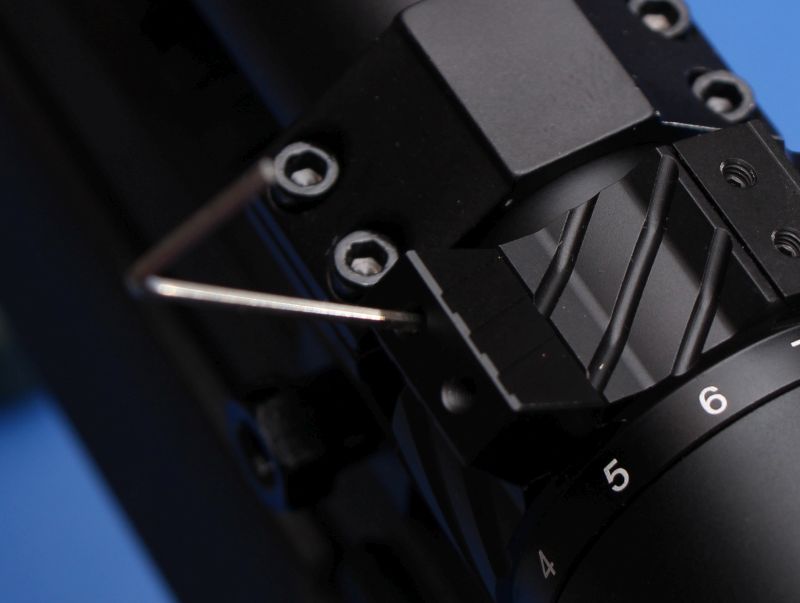
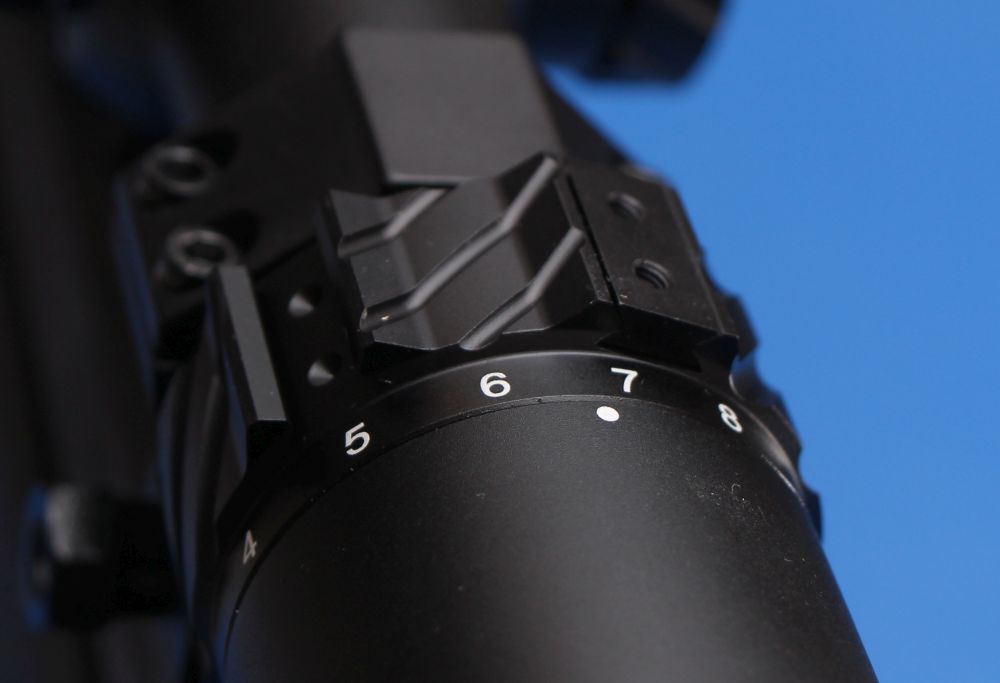
Riton includes an integrated, removable throw lever with these scopes. This is really handy in my books because it makes it easier to make big throws (like cranking it down after accidentally finding out you left it on max magnification)
Competitors
- Vortex Viper HS 4-16×44: A long-time favorite, but usually more expensive and lacks the integrated throw lever.
- Leupold VX-3HD 4.5-14×40: Lighter than the Riton 4-16, but uses a 1-inch tube which limits total elevation adjustment compared to Riton’s 30mm chassis.
- Athlon Helos BTR: Often seen in this price range, but usually offers First Focal Plane (FFP) which many traditional hunters find too busy for thick timber.
Conclusion
If you are building a mountain rifle or just hate carrying a heavy setup, the 3-15×44 LW is the clear winner. It’s rare to find a 30mm tube scope with this magnification range that stays near the 20-ounce mark.
The 4-16×44 is better suited for the hunter who wants a bit more versatility and doesn’t mind a few extra ounces in exchange for a slightly more forgiving eye box and closer parallax minimum. Both took the abuse of a Canadian hunting season and, most importantly, put meat in the freezer.