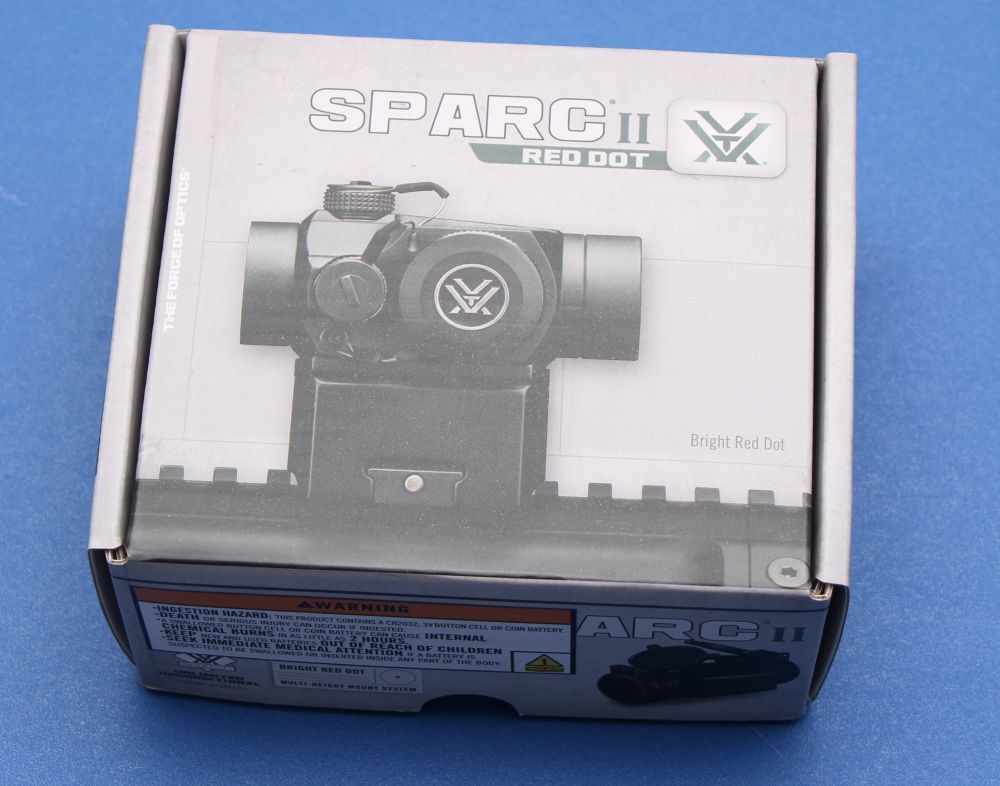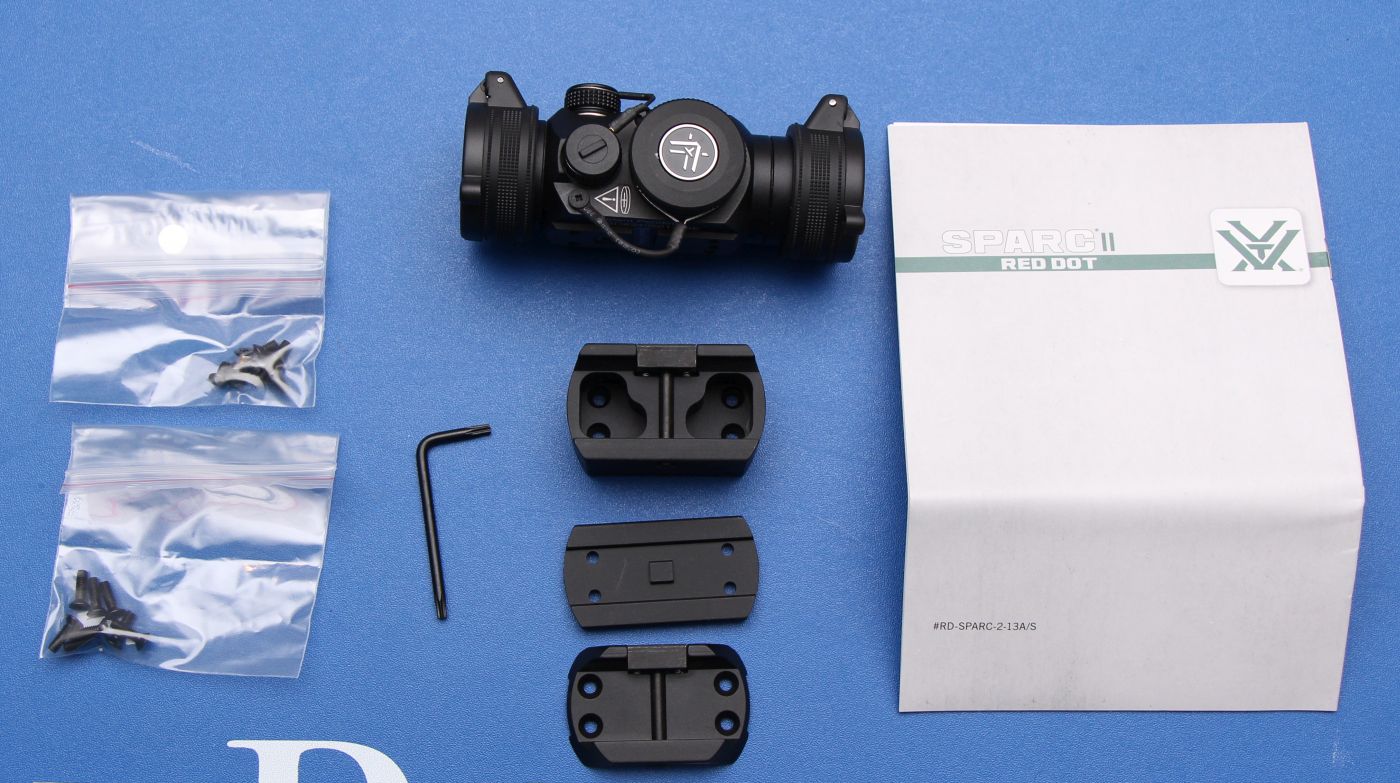
13 years is a long time for a red dot to live mounted on countless test rifles. My original Vortex SPARC (review of the OG version that I bought in 2013 here) finally tapped out recently after a decade of recoil, rain, and truck-bed bounces. I sent it back to Vortex, and true to their word, they didn’t just fix it—they sent me the upgraded SPARC II.
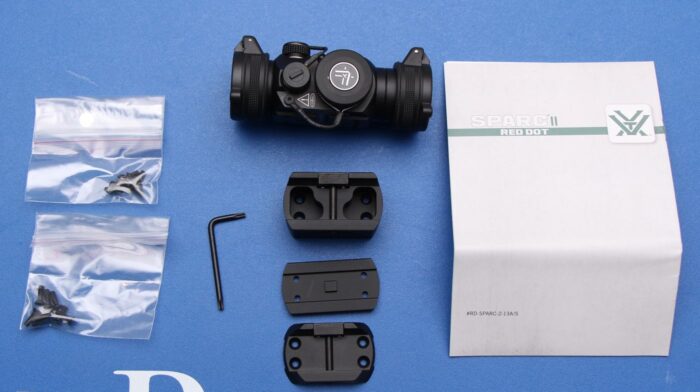
While receiving a brand-new optic via the VIP Warranty is a win, using the SPARC II in 2026 highlights just how much the rest of the industry has moved past this model, especially when it comes to power management and technology.
Overview
The SPARC II (Speed Point Aiming for Rapid Combat) is a compact, 2 MOA red dot designed to be a “do-it-all” optic. While it remains a staple in the Vortex catalog due to its modular mounting system, it is starting to show its age in a market dominated by “set and forget” electronics.
Specifications
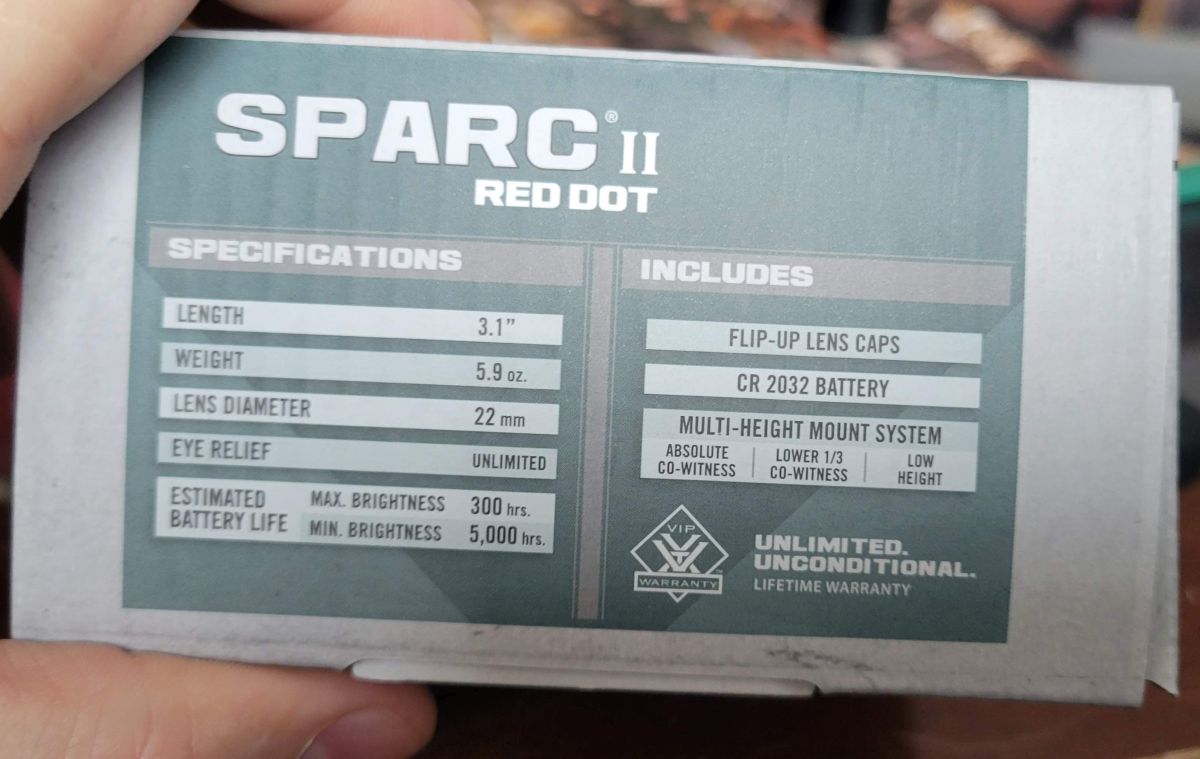
- Dot Size: 2 MOA (Red)
- Weight: 5.9 oz
- Battery Type: CR2032
- Battery Life: 300 hours (max) to 5,000 hours (min)
- Brightness Settings: 10 levels
- Auto-Shutoff: 12 hours
- Price: $230-299 CAD ($215 USD)
The Elephant in the Room: Battery Life
Let’s be blunt: the battery life on the SPARC II is disappointing by modern standards. In an era where almost every competitor offers 30-50,000 hours of runtime, the SPARC II’s 300 to 5,000-hour range feels like a relic.
| Feature | Vortex SPARC II | Sig Sauer Romeo5 | Vortex Crossfire II |
| Max Battery Life | 5,000 Hours | 40,000+ Hours | 50,000 Hours |
| Motion Activation | No | Yes (MOTAC) | No |
| Auto-Shutoff | 12 Hours | 2 Minutes | None |
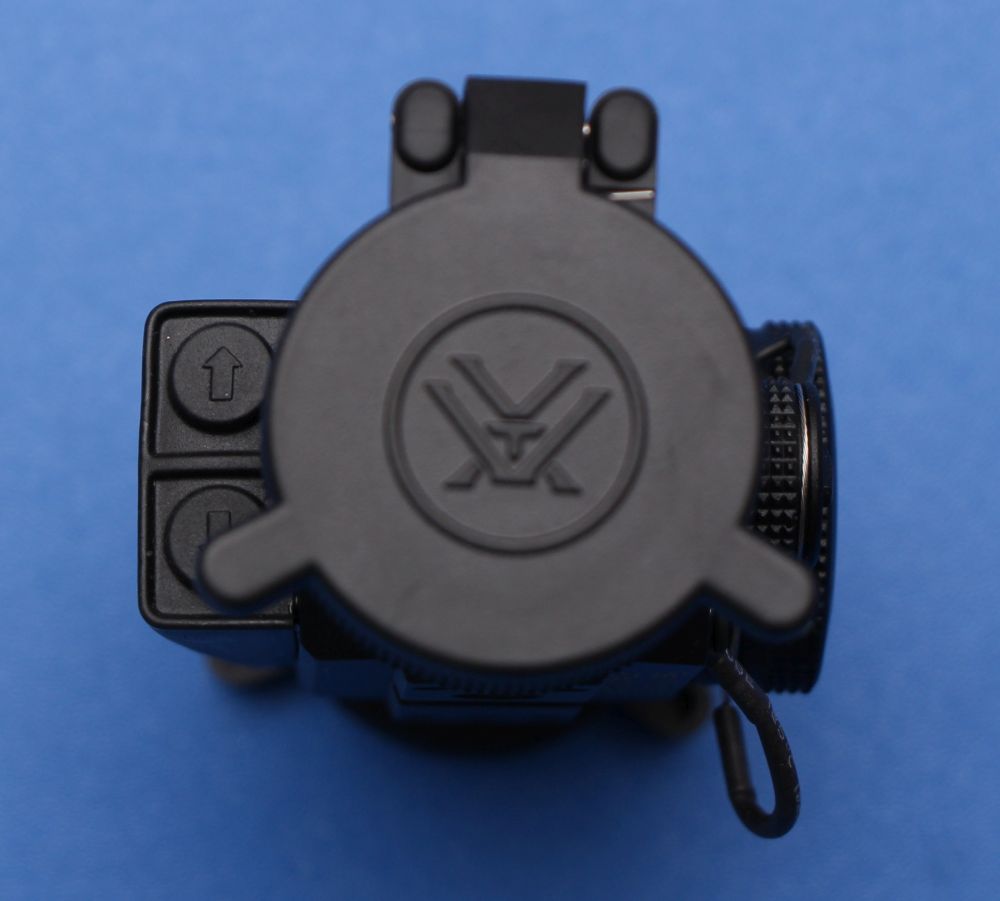
300 hours on the brightest setting isn’t great. Compare that to a Sig Romeo5 or even Vortex’s own Crossfire II, which can stay on for over five years. The lack of “Shake Awake” technology means you are constantly fiddling with buttons, which is the last thing you want to do when a buck steps out into a clearing.
Usability
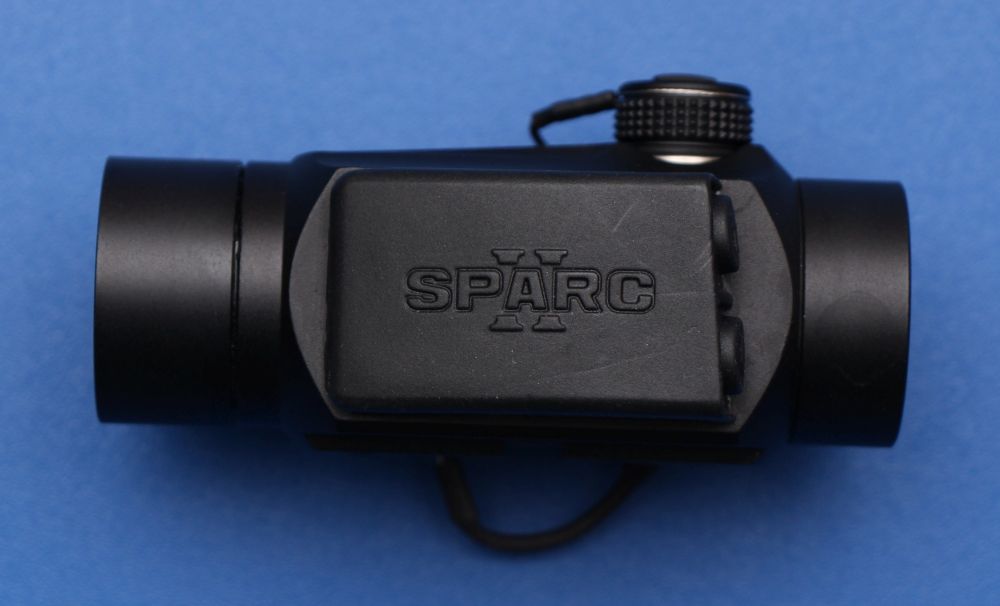
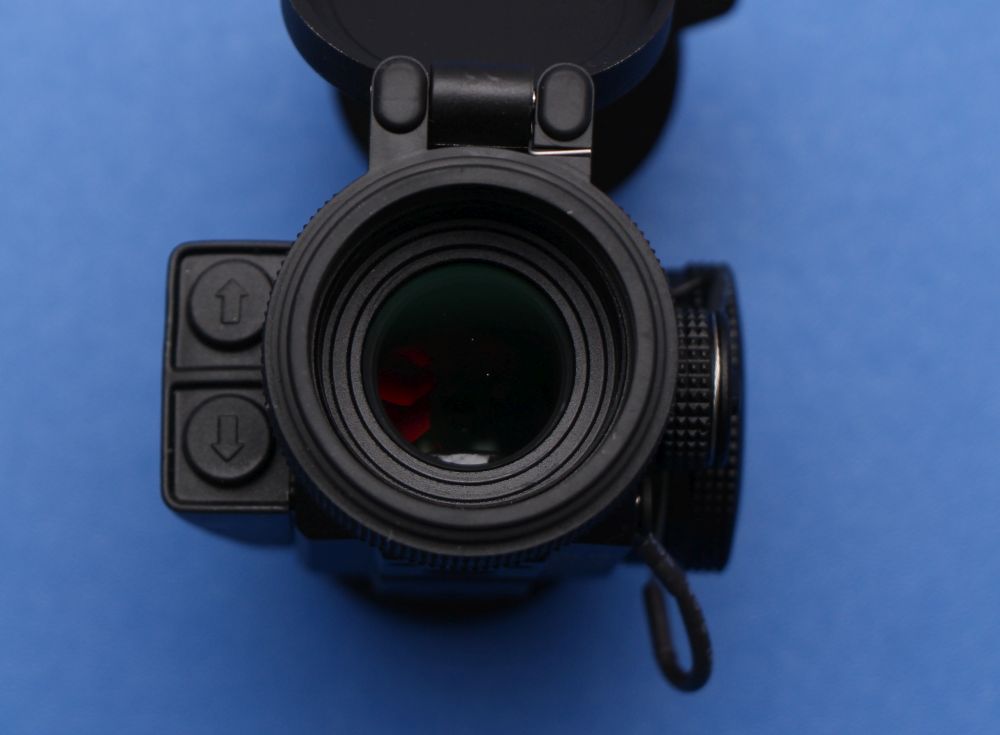
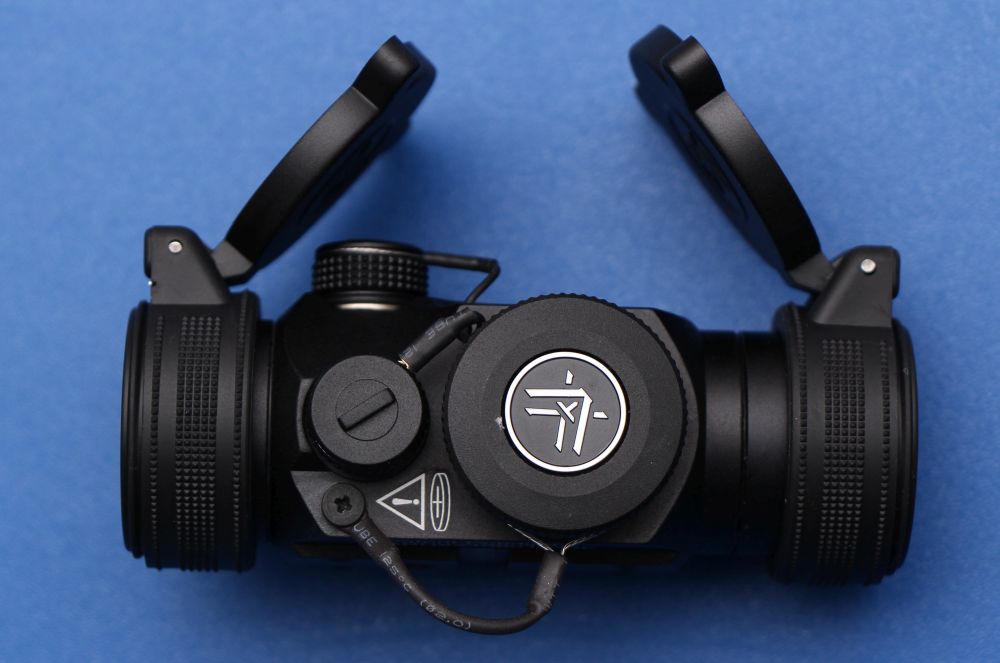
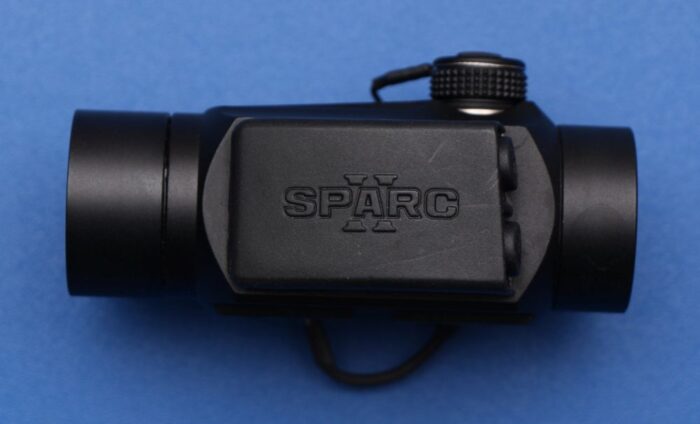
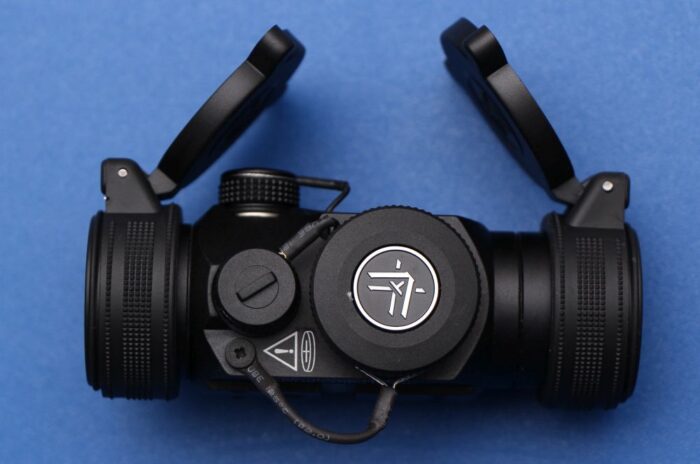
The dot clarity remains good. The 2 MOA dot is crisp and, despite the poor battery efficiency, it is undeniably bright. Even in high-glare midday sun, level 10 is more than enough to find your point of aim. The tethered caps are a “love it or hate it” feature; they ensure you won’t lose your turret covers in the brush, but the plastic tethers are stiff and can make re-threading the caps a two-handed chore. Personally, I don’t like them. I prefer the Romeo5’s ramps that protect the exposed adjustments.
The included flip up caps are WAY better than the old rubber bikini cover style covers.
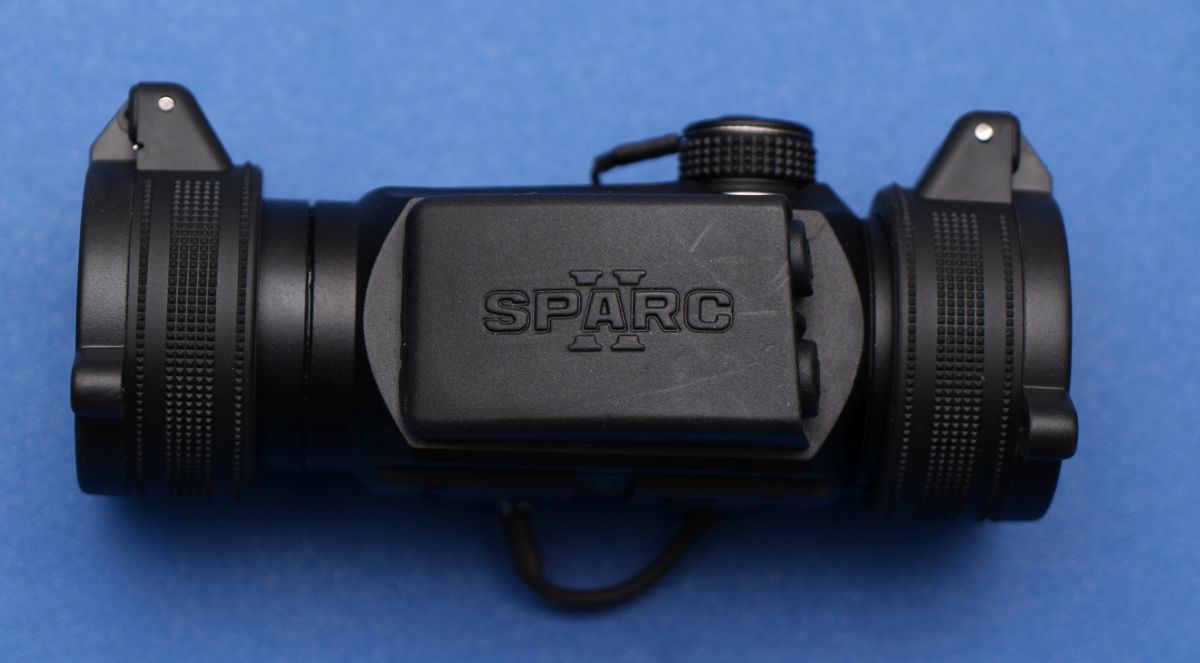
The profile of the red dot is a bit. . .lumpy? It’s not nearly as trim and sleek as some other red dots out there and I think it’d get caught on things.
Aftermarket and Potential Modifications
The SPARC II uses the Aimpoint Micro (T1/T2) footprint. This is its saving grace. The included multi-height mount system is modular, but if you want to upgrade to a high-end QD (Quick Detach) mount, the world is your oyster.
Competitors
- Sig Sauer Romeo5: The gold standard for budget dots. It has 40,000+ hours of battery and motion activation for a lower price.
- Vortex Crossfire II: If you want to stay with Vortex for the warranty but want 50,000 hours of battery, this is the better buy, though it lacks the SPARC’s button layout.
- Holosun 403B: Offers 50,000 hours and a tray-style battery compartment so you don’t have to remove the optic to swap cells.
Conclusion
The Vortex SPARC II is a rugged, reliable optic backed by a legendary warranty. It holds zero, handles heavy recoil, and has a great mounting system. However, if you hate changing batteries or want an optic that is always “on” and ready, this isn’t it.
It is a fantastic “free” upgrade if you are cashing in a warranty claim like I did, but if you are spending your own hard-earned cash in 2026, the battery specs and lumpiness of the red dot make it a hard sell over more modern designs.