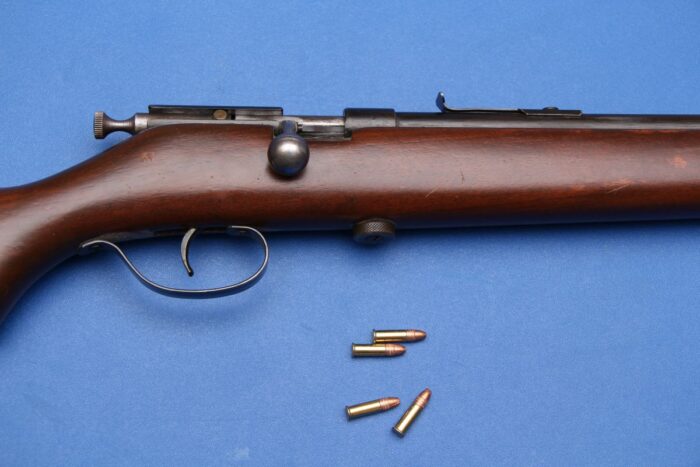
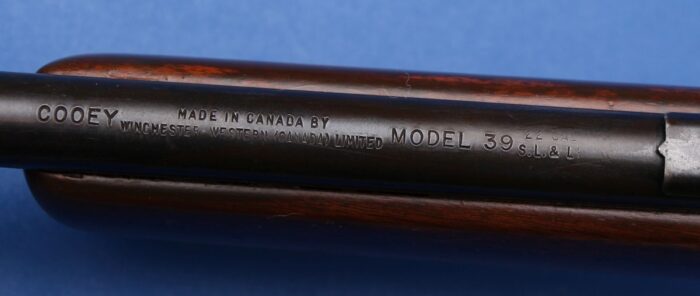
If you grew up in rural Canada, there is a very high probability that a Cooey Model 39 was the first rifle you ever fired. Produced in Cobourg, Ontario, and later rebranded under the Winchester-Western name, these rifles were the “starter kit” for generations of small-game hunters.
But how does this vintage single-shot hold up today? Let’s take a look at why this simple bolt-action remains a fixture in gun safes across the country.
Overview
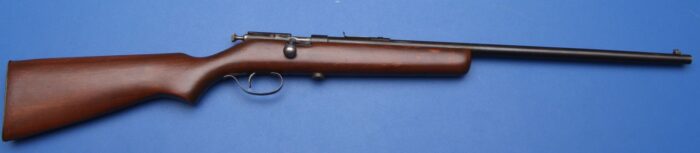
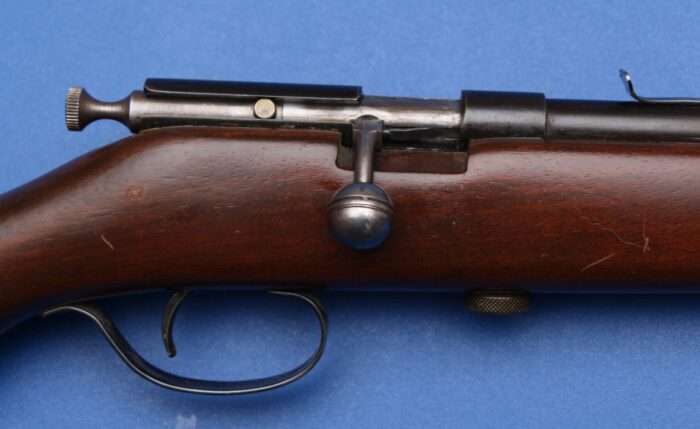
The Cooey Model 39 is a manual-cocking, bolt-action single-shot rifle chambered for .22 long rifle, long, and 22 short. It is the definition of “dead simple.” It doesn’t have a magazine, it doesn’t have a complex safety, and it doesn’t even cock itself when you close the bolt.
While it was originally marketed as a youth rifle due to its weight and simplicity, it features a surprisingly long barrel and a full-sized feel that makes it usable for adults as well.
Specifications
- Action: Bolt-action, manual cocking.
- Chambering: .22 Short, .22 Long, .22 Long Rifle.
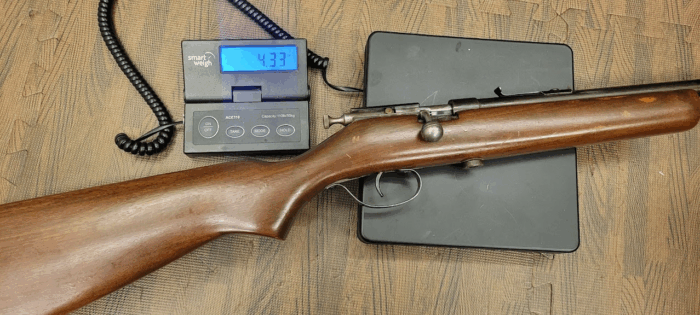
- Weight: 4.3 lbs.
- Price (Used): Approximately $100–$200 CAD depending on condition.
Usability
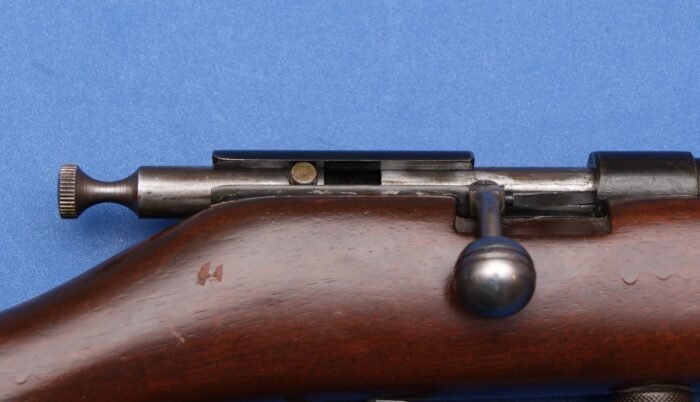
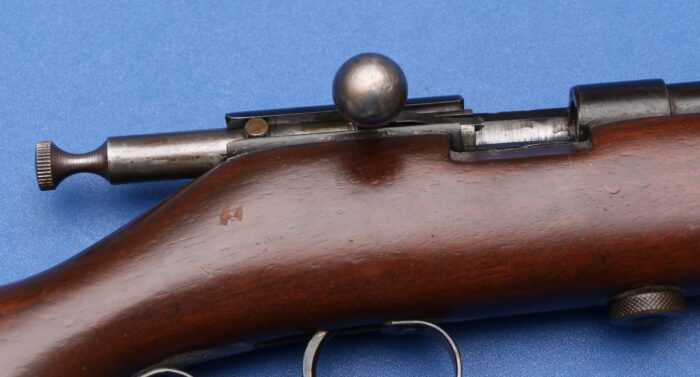
The standout feature (or quirk, depending on who you ask) is the manual cocking piece at the rear of the bolt. When you chamber a round and close the bolt, the rifle is not yet ready to fire. You must manually pull back the cocking knob to set the firing pin.
Cooey marketed this as a “safe action.” While it’s not a safety in the modern sense, it’s a great teaching tool for new shooters. If the knob is forward, the gun won’t go bang.
Trigger & Takedown:
- Trigger: For such an inexpensive rifle, the trigger is surprisingly decent. In our testing, it broke at just over 4 lbs. Because the mechanism is so simple because it’s essentially just a sear dropping the firing pin so there isn’t much to go wrong or feel “mushy.”
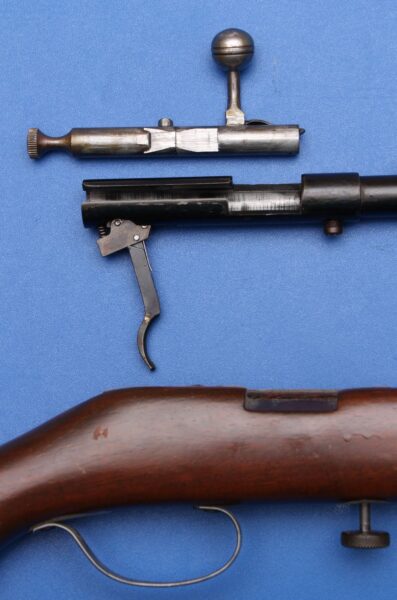
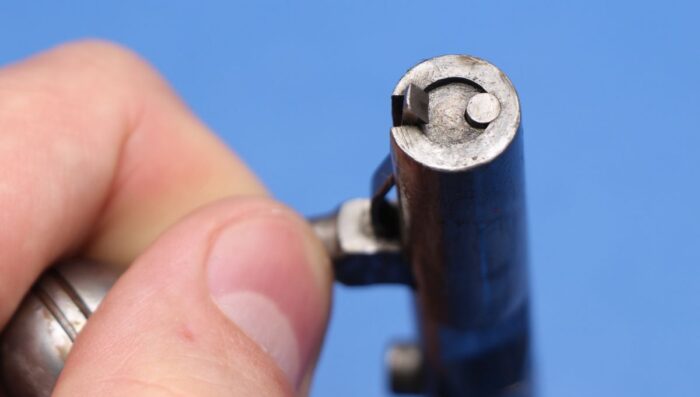
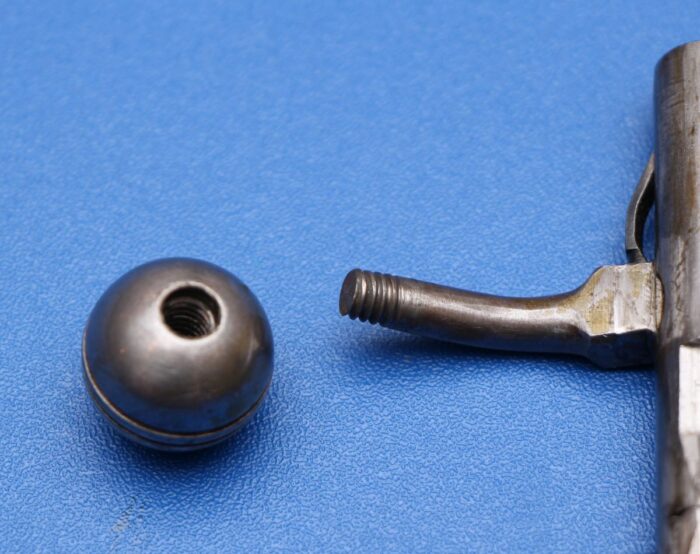
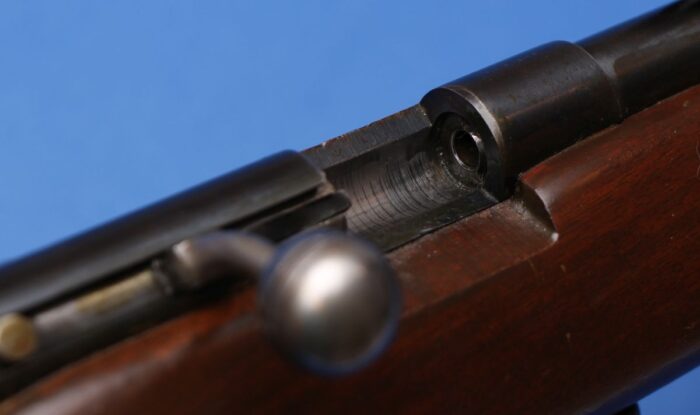
- Takedown: Maintenance is a breeze. A single large threaded screw on the underside allows you to separate the action from the stock in seconds. The bolt is removed by simply holding the trigger down and pulling the bolt out the back. Interestingly, the firing pin doubles as the ejector, further reducing the number of moving parts.
Aftermarket and Potential Modifications
There isn’t much of an “aftermarket” for a Cooey 39. These are generally kept in their original wood stocks.
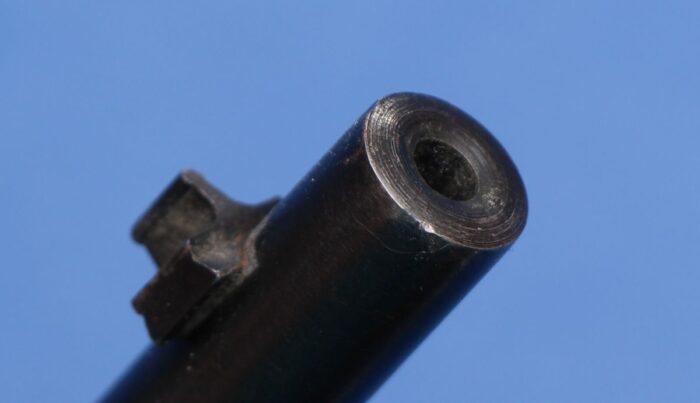
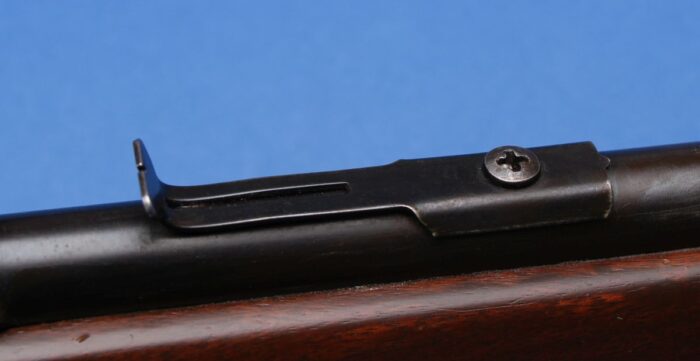
- Sights: The rear sight is a simple fixed notch. On our test model, the front sight had been bumped which is a common issue with these older “working” guns. You can drift them back into place, but don’t expect sub-MOA precision.
- Scope Mounting: Most Model 39s are not factory-drilled and tapped for scopes but I have seen some people’s 39’s that have been drilled and tapped for bases.
Competitors
In the modern market, the Cooey 39 competes mostly with nostalgia and ultra-budget rimfires:
- Savage Rascal / Keystone Cricket: Modern youth single-shots that are lighter and come with better safety features and optics compatibility.
- Used Cooey 75: The “big brother” to the 39, offering a slightly different feel but the same legendary reliability.
Conclusion
Should you buy a Cooey Model 39 today? If you’re looking for a high-performance small game harvester or a competitive target rifle, probably not. However, if you want a rugged, reliable piece of Canadian history or a simple tool to teach a youngster the basics of marksmanship, the Cooey is hard to beat for $150.
It’s simple, it’s light, and it’ll likely still be clicking along in another 60 years.