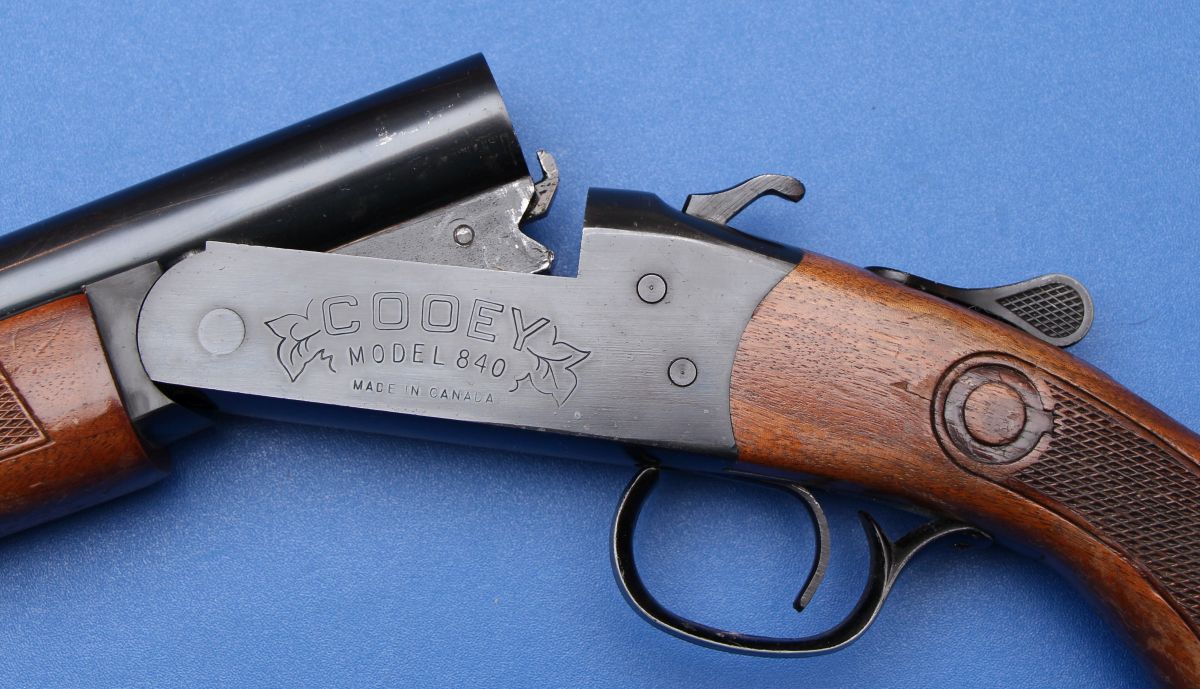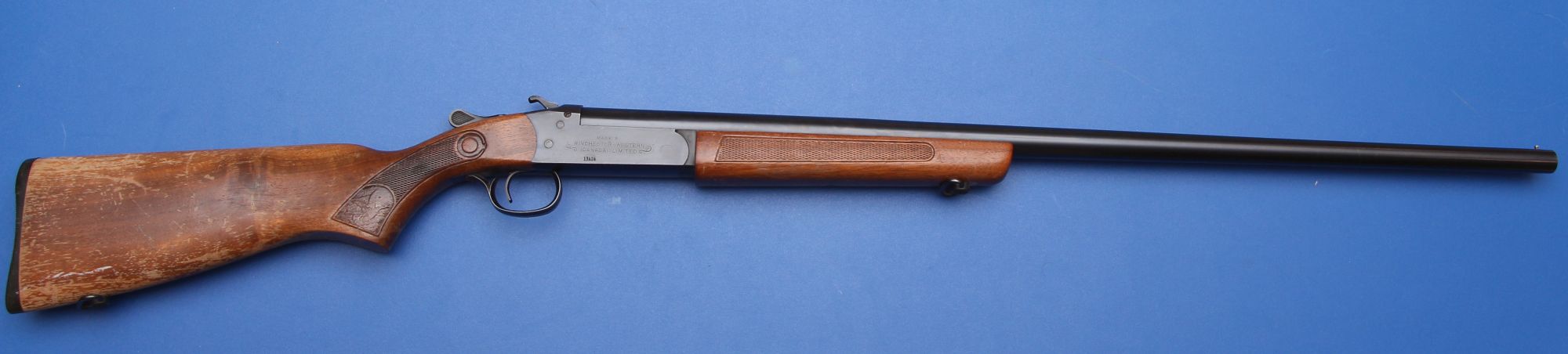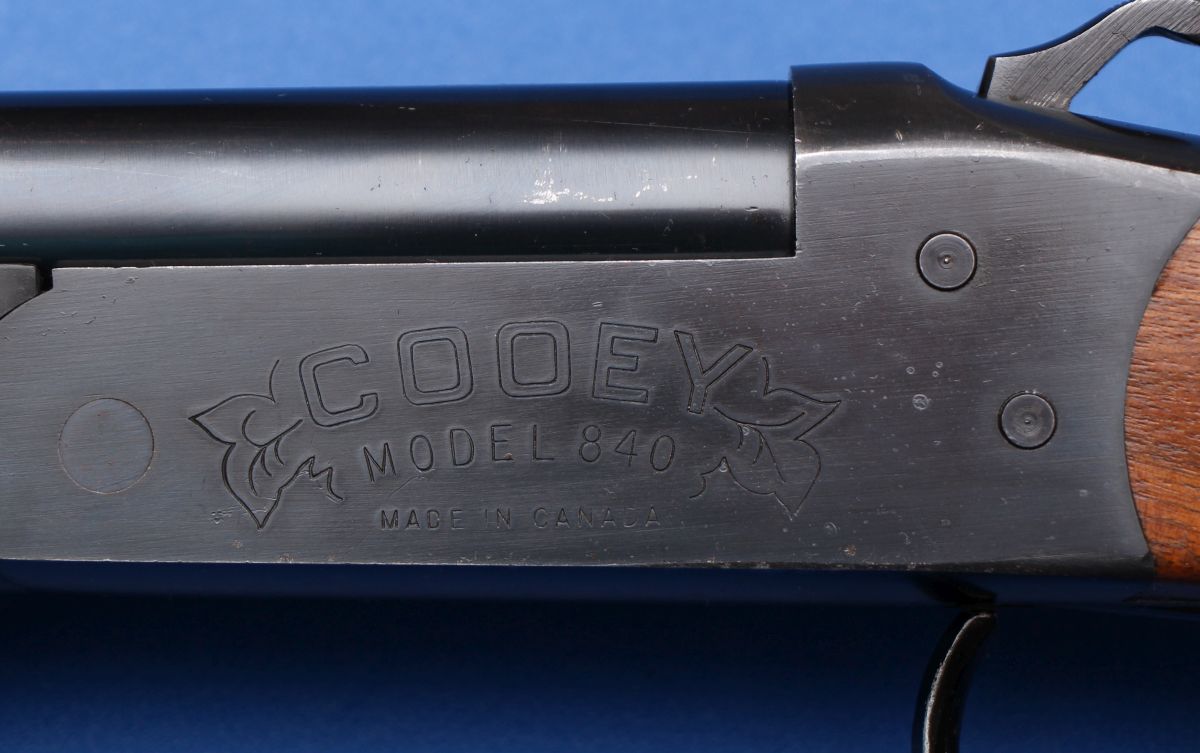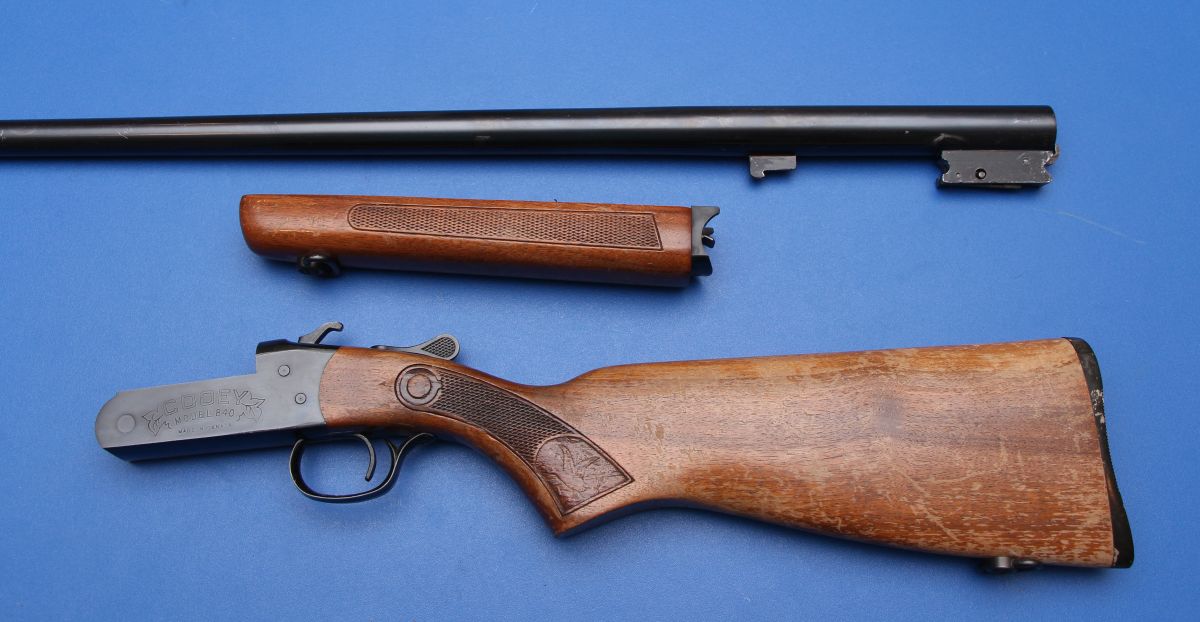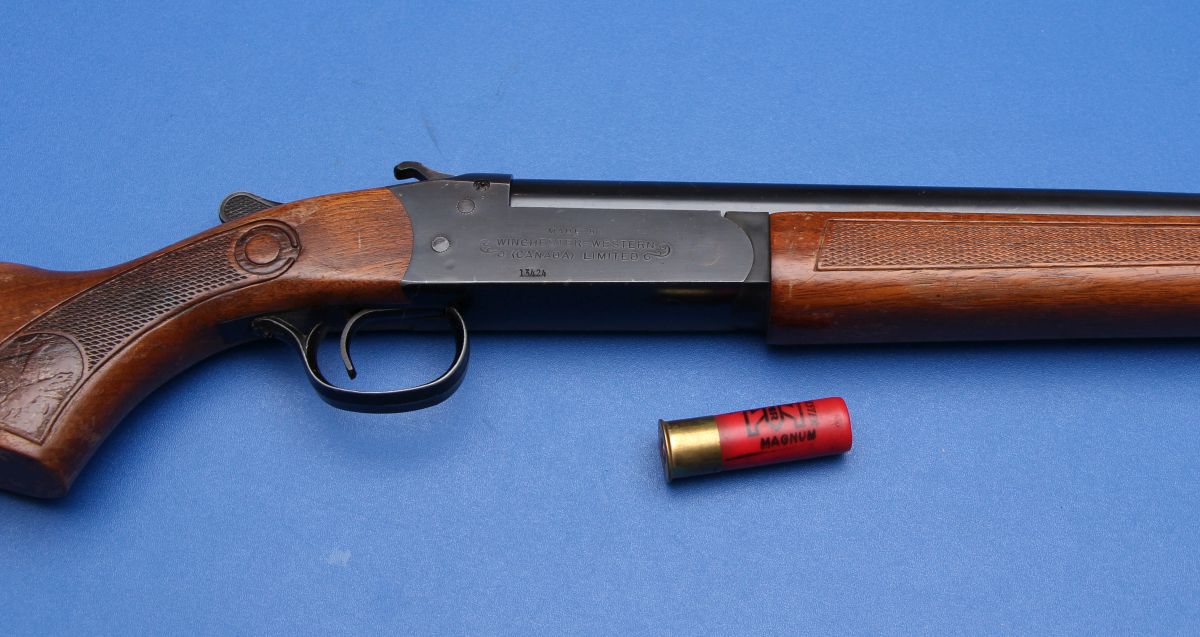
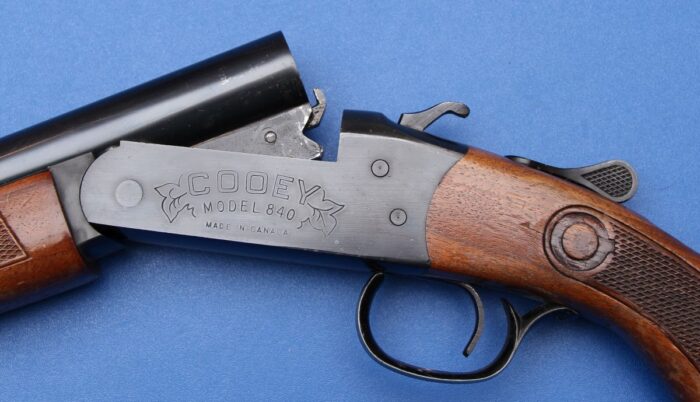
If you grew up hunting in Canada, there is a very good chance you or someone you know started with a Cooey. While the earlier Model 84 is the true vintage icon, the Model 840 (produced after Winchester bought the company) remains one of the most common single-shot shotguns on the used market today. It is basic, it is rugged, and it just works.
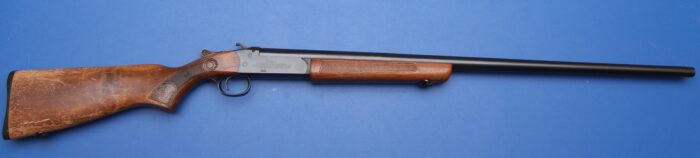
Overview
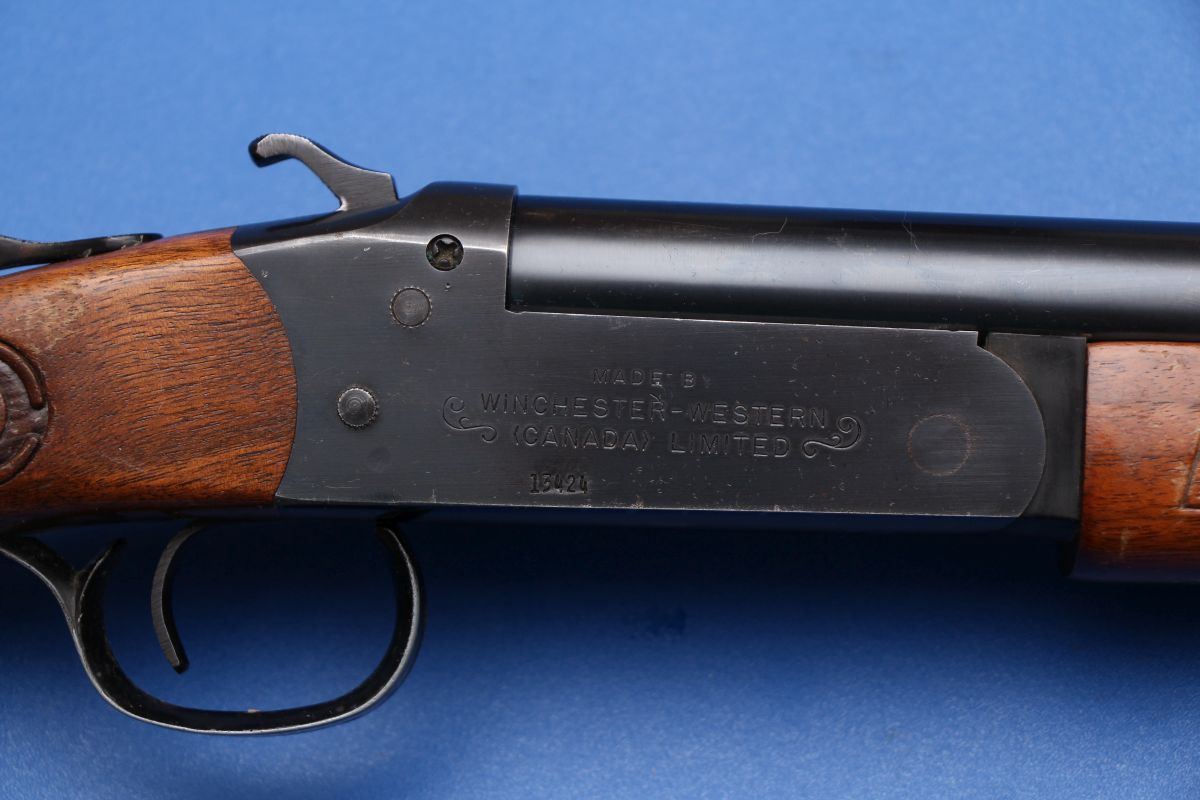
The Cooey 840 is a break-action, single-shot shotgun known for its simplicity and ease of use. It was manufactured in Cobourg, Ontario, and served as the Canadian version of the Winchester 370. It is a no-frills tool designed for small game hunting, farm pest control, or as a first gun for a young hunter.
Specifications
- Action: Break-action, single-shot.
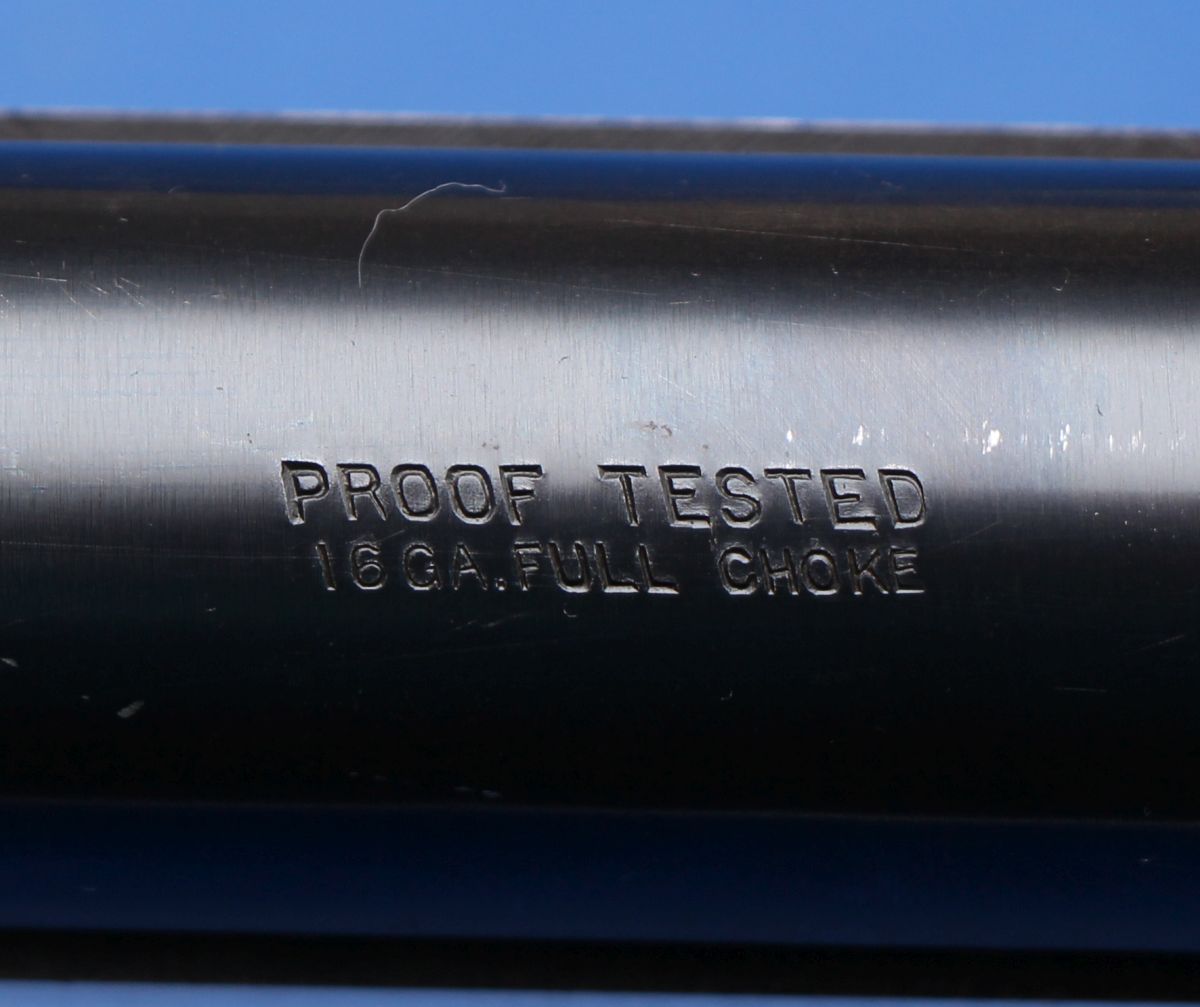
- Gauges: Common in 12, 16, 20, and .410.
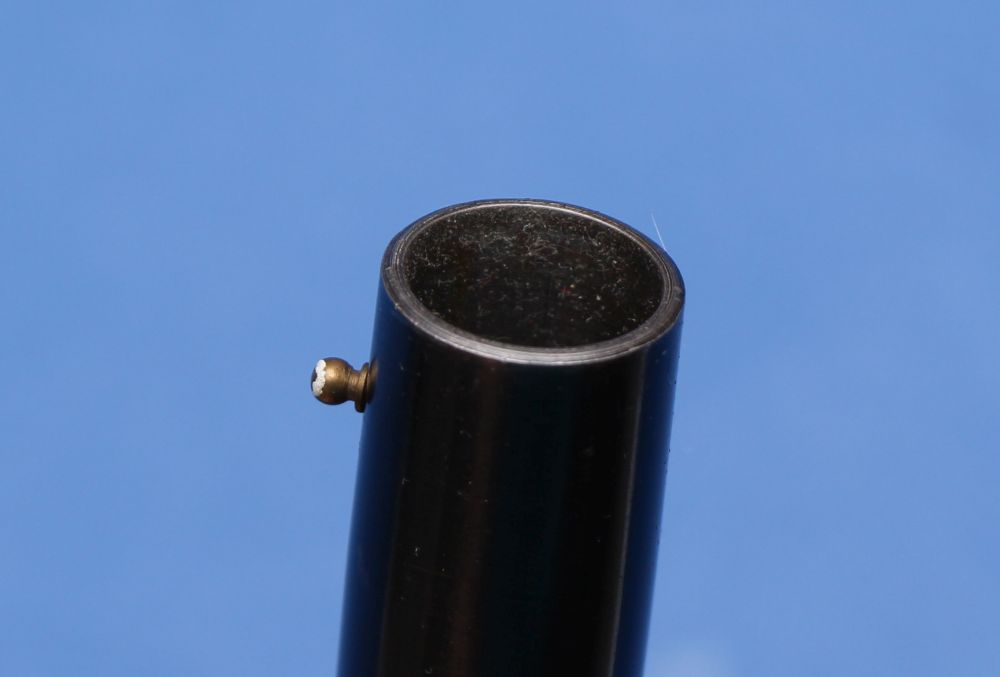
- Choke: Usually fixed, full choke
- Barrel Length: Varies, but often found with long, 28 to 30 inch barrels.
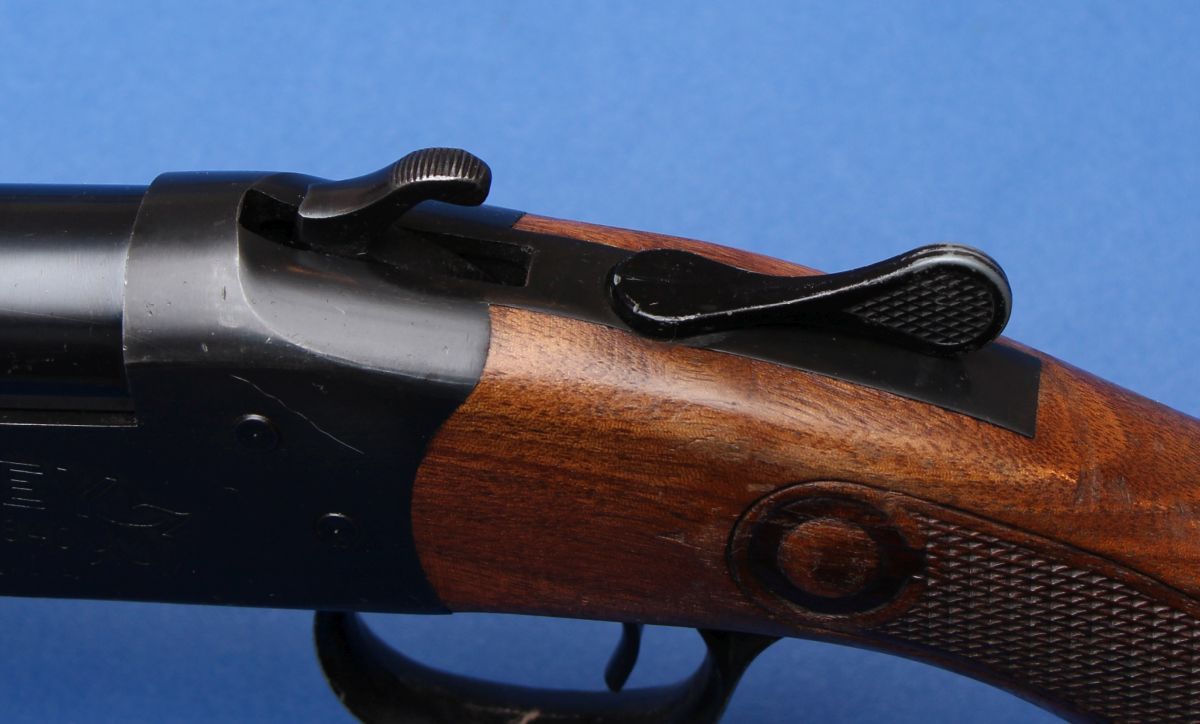
- Safety: Rebounding hammer that you have to cock by hand
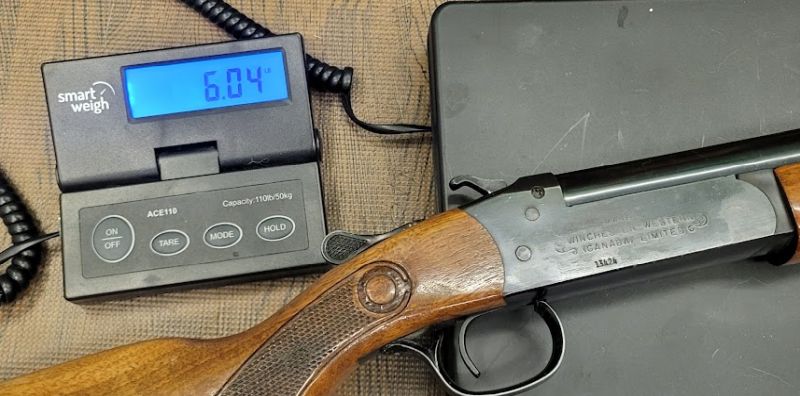
- Weight: Approximately 5 to 6 lbs depending on gauge. My 16 gauge is 6lbs.
- Price: Typically found used for $100 to $250 CAD.
Usability
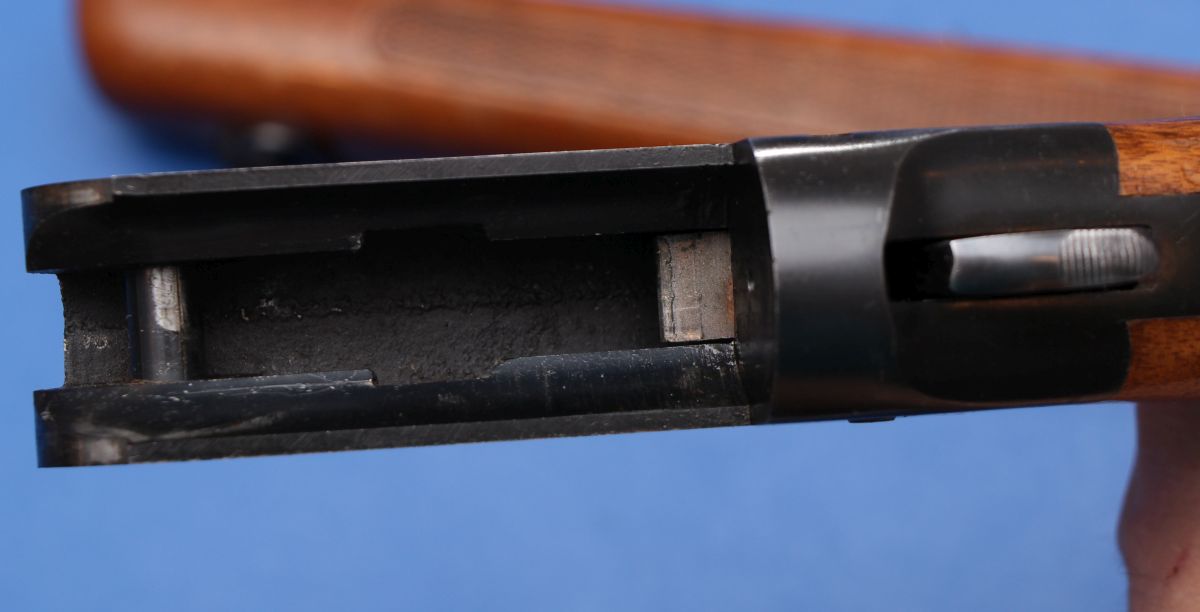
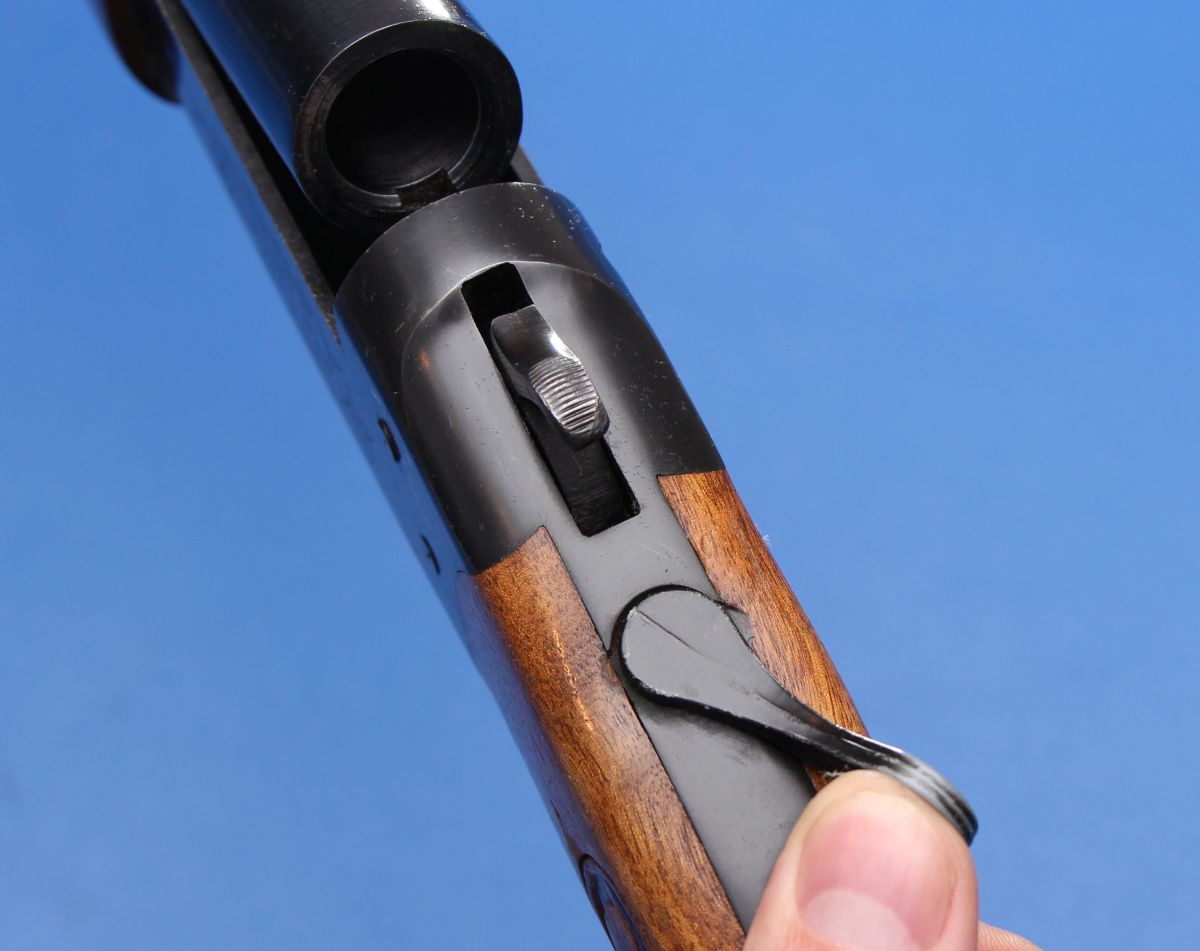
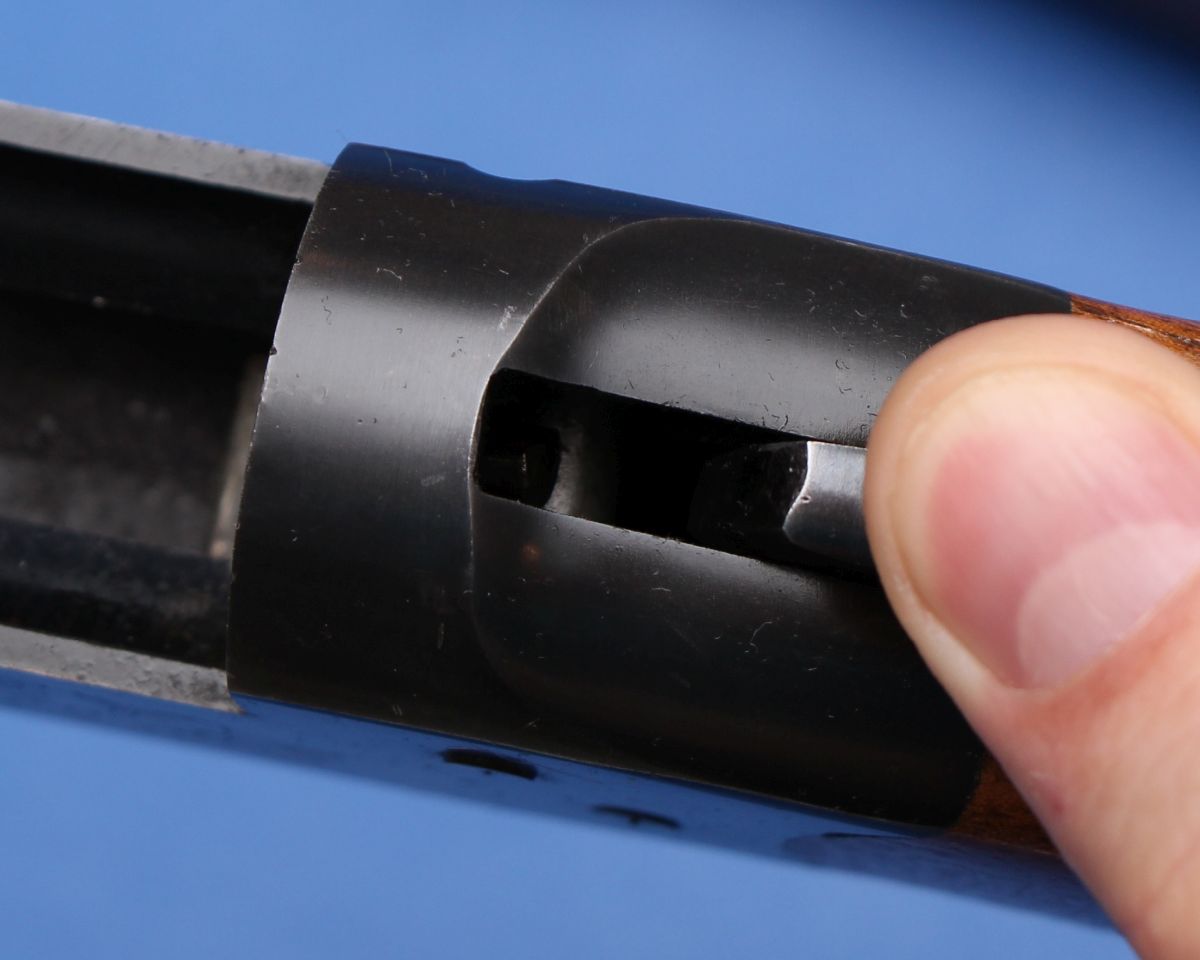
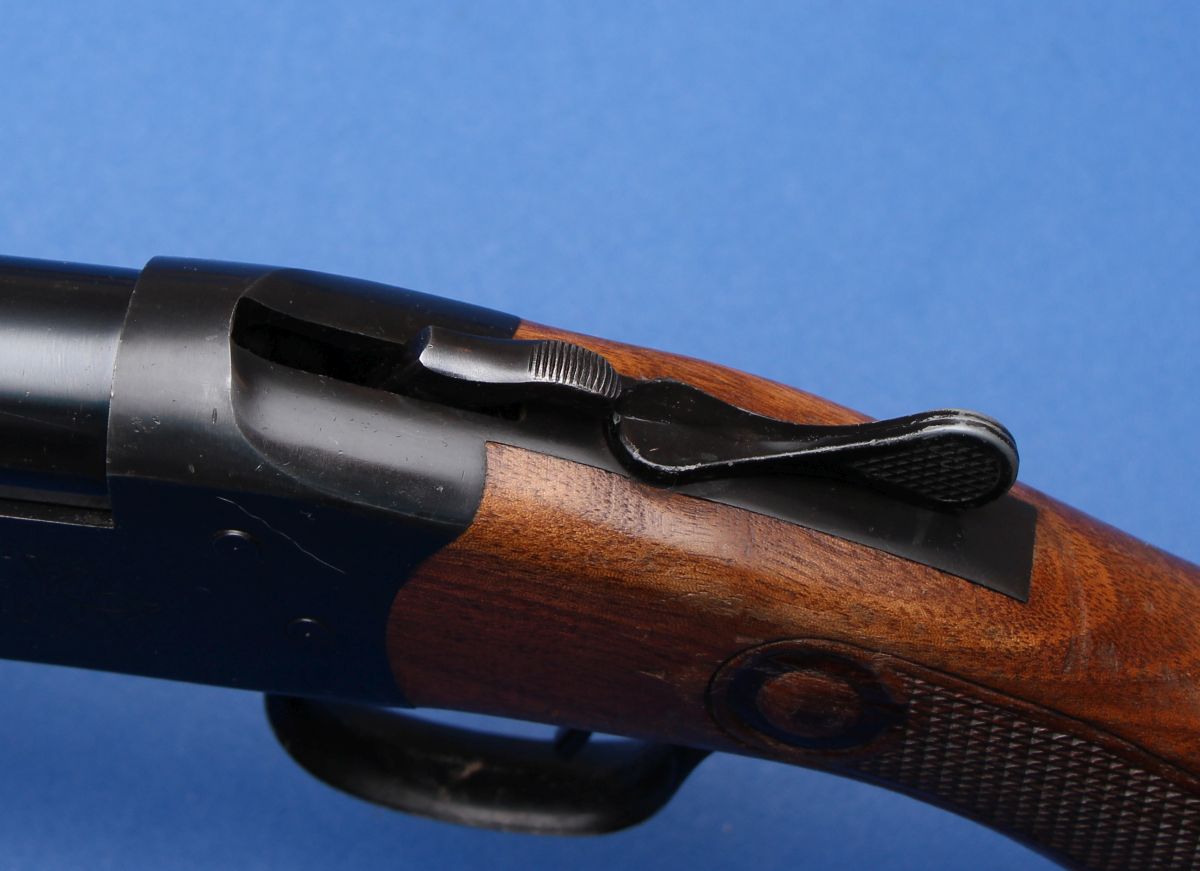
Operation Using the 840 is as straightforward as it gets. There is a release lever next to the hammer that you push to the side to break the action open. One thing to watch for is that the 840 features a peppy ejector. When you open that action, it doesn’t just lift the shell; it flings it. If you aren’t careful, you will be hunting for your brass in the tall grass.
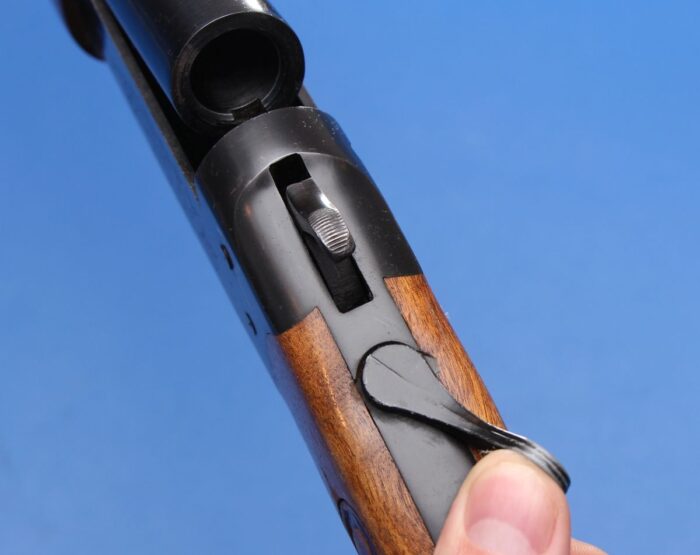
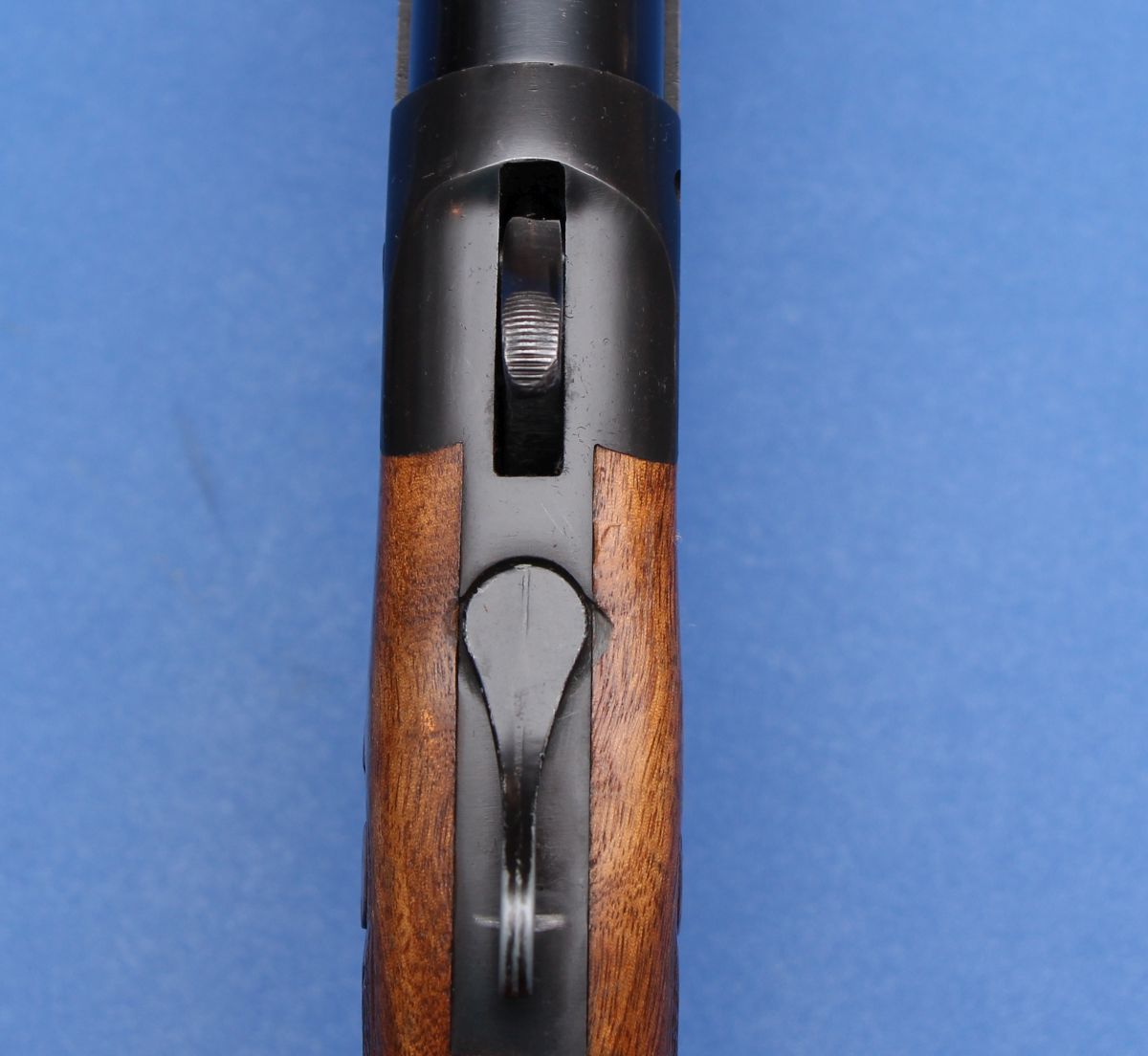
The Trigger and Hammer The hammer on the 840 is notoriously stiff. While the trigger pull itself is surprisingly decent—the unit I tested broke cleanly at just over 5 lbs with zero creep—cocking the hammer takes some thumb strength. This is something to keep in mind if you are buying this for a younger teenager with smaller hands.
Safety The 840 uses a rebounding hammer. After you fire, the hammer springs back slightly so it isn’t resting directly on the firing pin. This makes the gun “drop safe” in theory, as the hammer won’t move forward unless the trigger is actively being pulled.
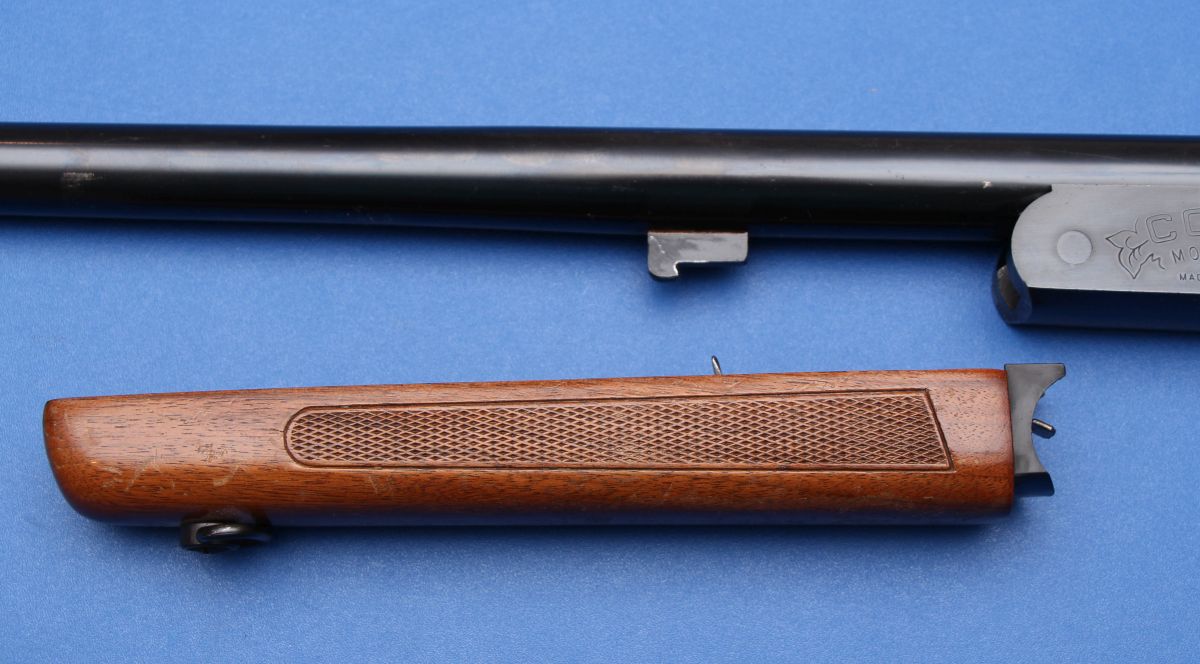
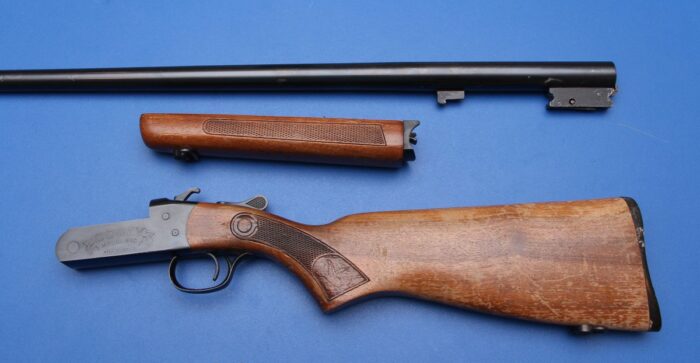
Takedown Takedown is one of the best features of this gun. You just pull the fore-end away from the barrel (it’s held by spring tension), open the action, and the barrel lifts right off the lug. It breaks down into compact pieces in about five seconds to pack away easily.
Aftermarket and Potential Modifications
Since these are budget-friendly vintage guns, there isn’t a massive aftermarket.
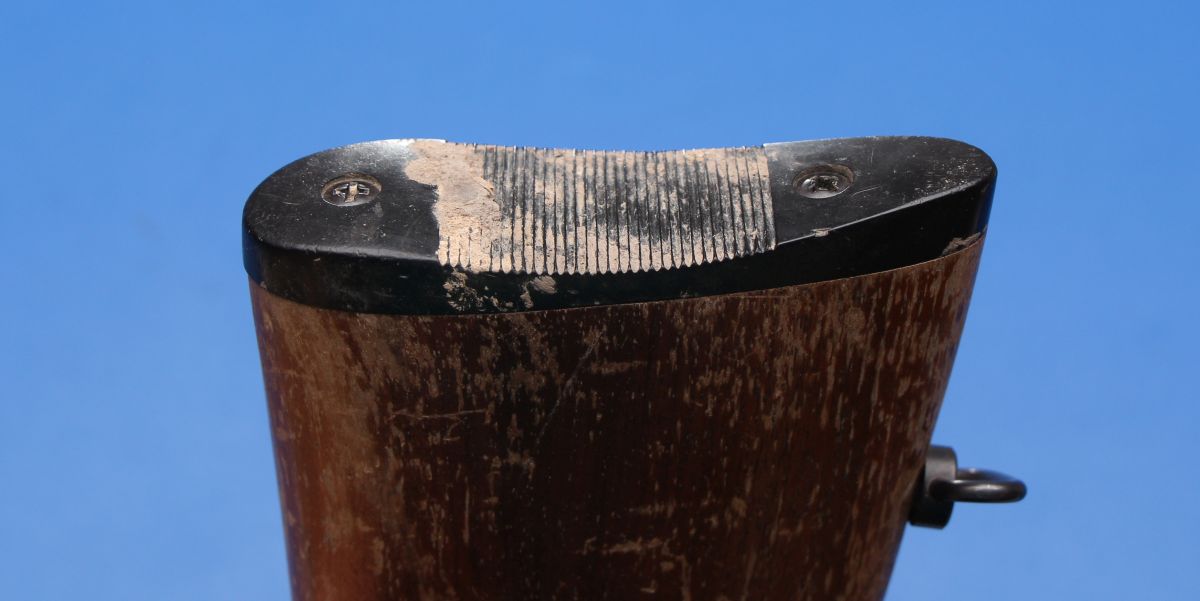
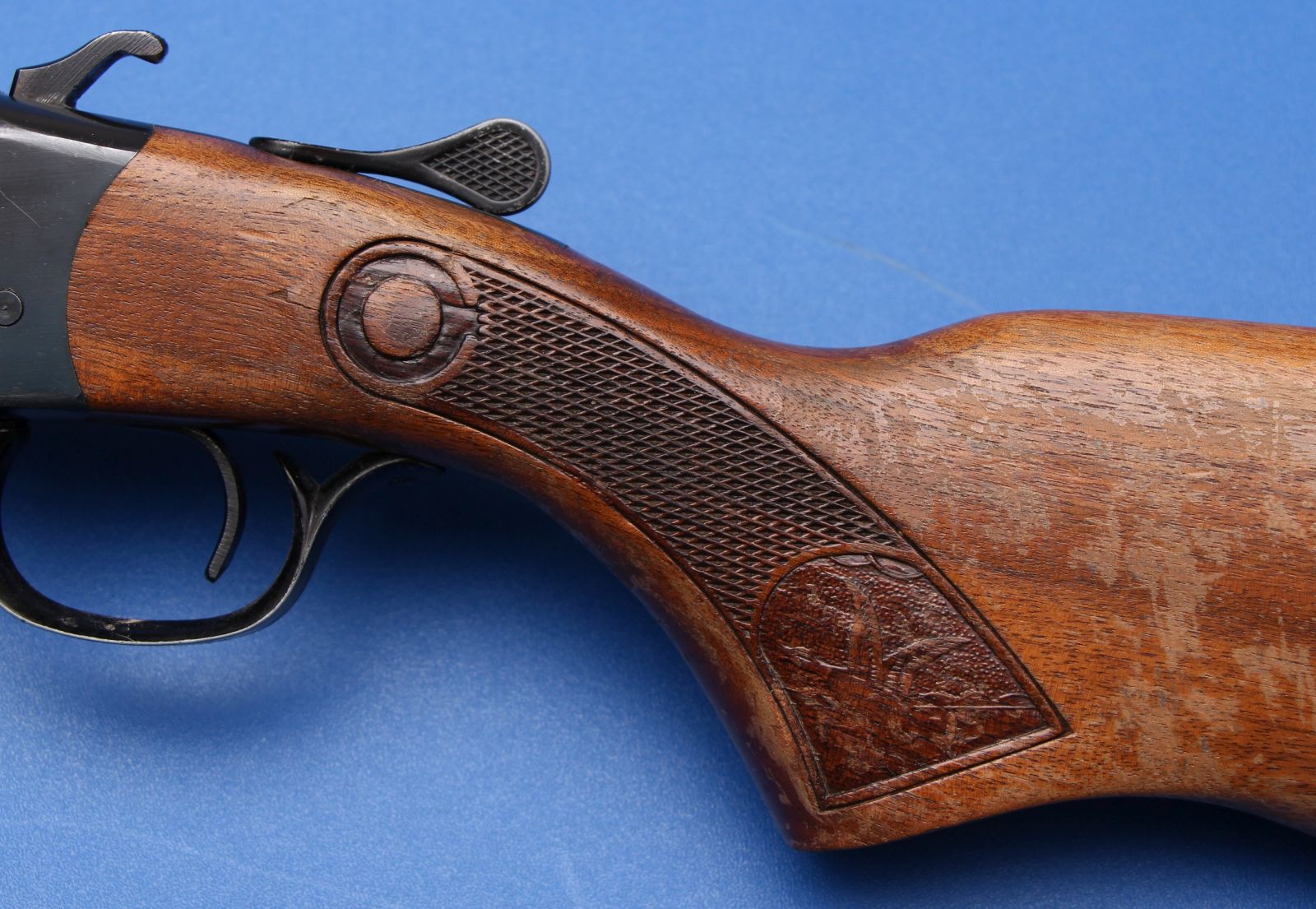
- Recoil Pads: Most 840s come with a hard plastic butt plate. If you have a 12-gauge version, it can be a bit snappy, so a slip-on recoil pad is a common addition.
- Refinishing: These are popular projects for people learning to refinish wood stocks or cold-blue metal, as the simple lines make them easy to work on.
- Chokes: Be aware that most of these have fixed full chokes. You should not shoot steel shot through these tight chokes. That means you could still use lead for upland birds and grouse.
Competitors
- H&R / NEF Pardner: Very similar performance, though usually a bit heavier and built with a different release mechanism.
- Savage/Stevens 94: Another classic single-shot competitor.
- Modern Turkish Single Shots: You can buy new Turkish-made single shots today for cheap, but they lack the history and the “all-steel and wood” feel of the Canadian-made Cooey.
Conclusion
The Cooey 840 isn’t a fancy gun, but it’s a functional piece of Canadian history. It’s lightweight, incredibly easy to clean, and reliable enough to last several generations. If you want a dedicated grouse gun for headshots in the bush, or a simple tool to teach a new shooter the basics of safety and marksmanship, the 840 is a fantastic deal. Just remember to hold your hand over the breech when you open it, or that spent shell might end up in the next county.