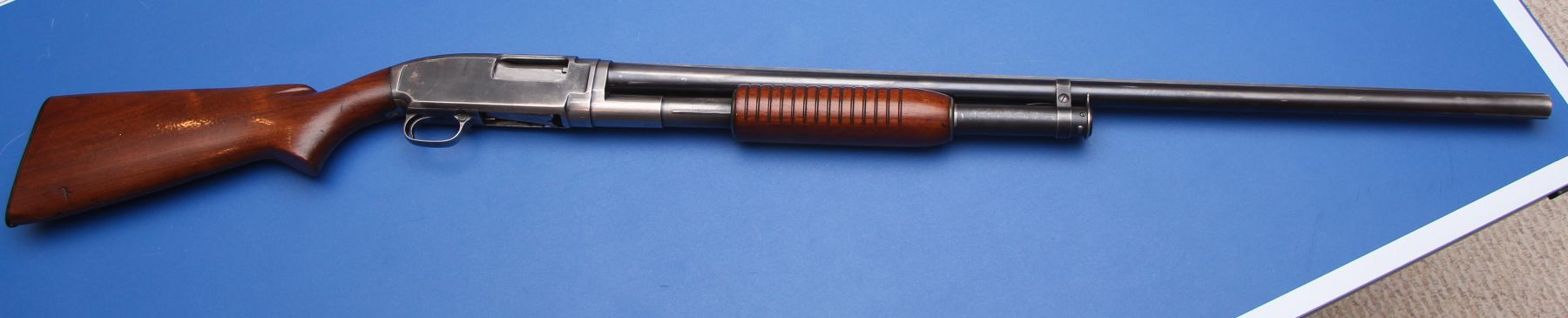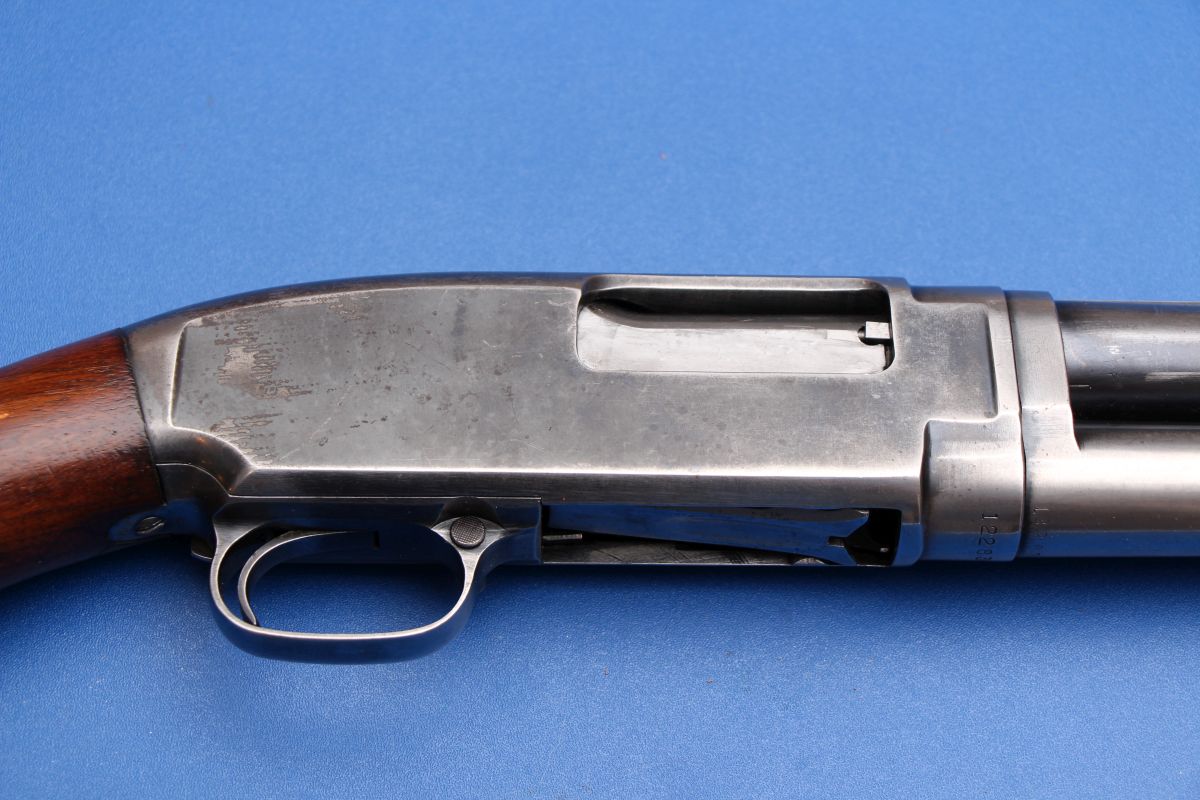
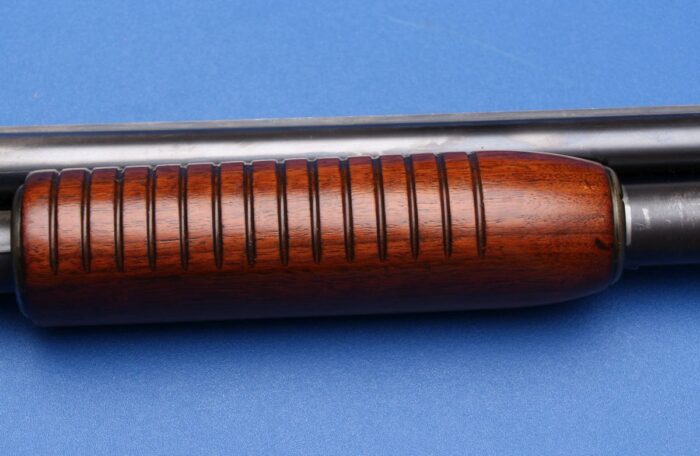
The Winchester Model 12, often called the “Perfect Repeater,” held the crown of American pump shotguns for decades. Introduced in 1912, it was Winchester’s first hammerless repeating shotgun and eventually saw over two million units produced. While it was eventually phased out by cheaper alternatives like the Remington 870, it remains a common sight on the used market.
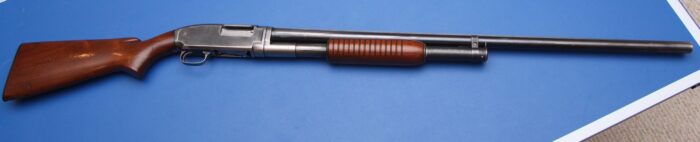
Overview
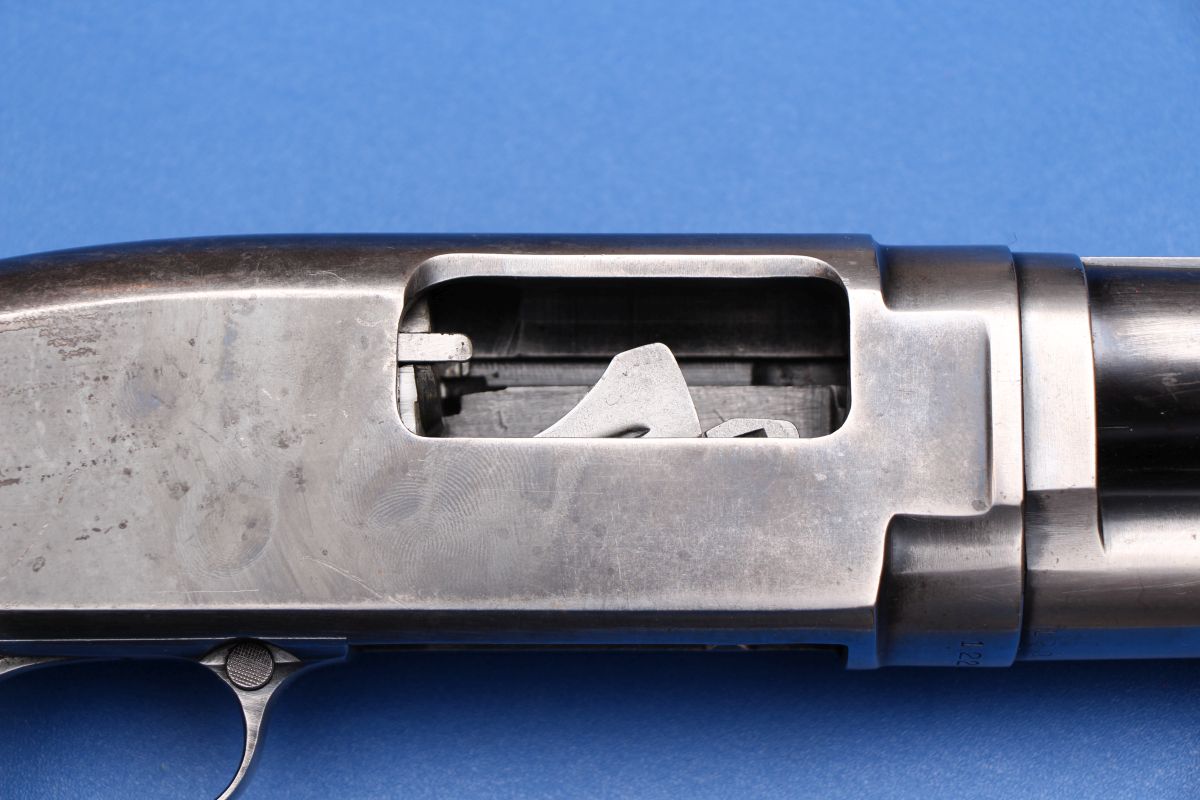
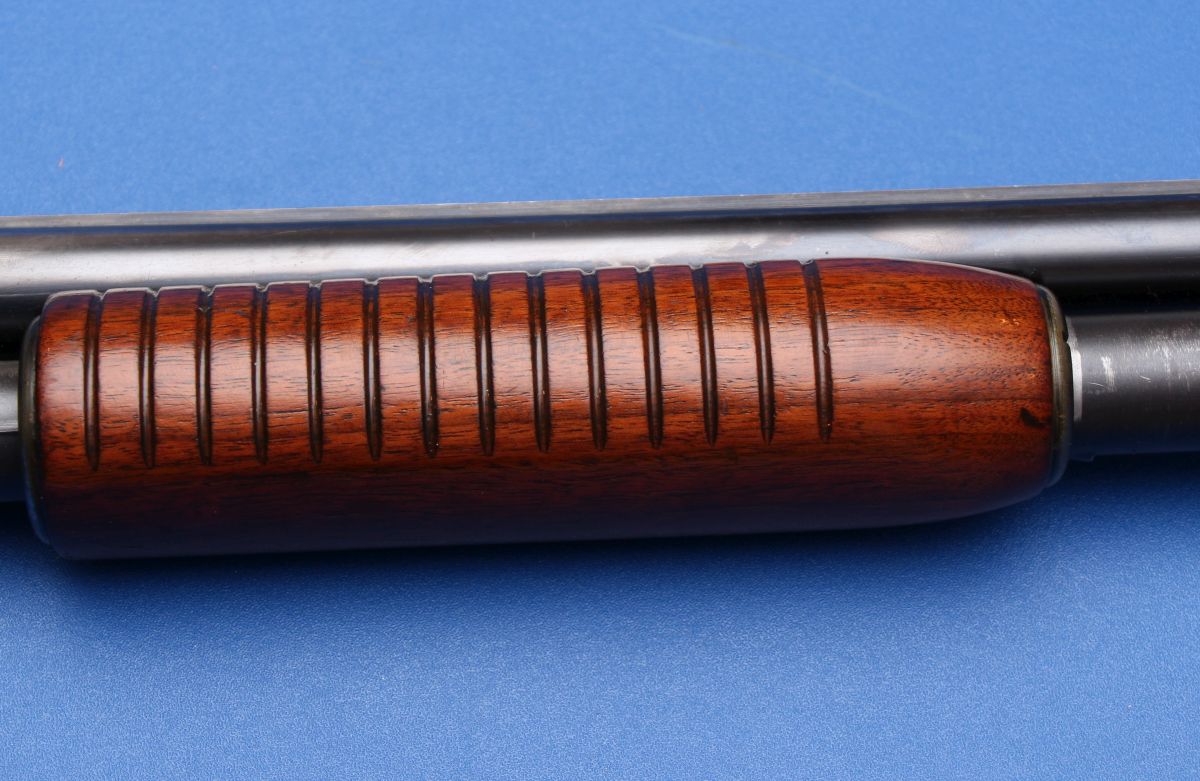
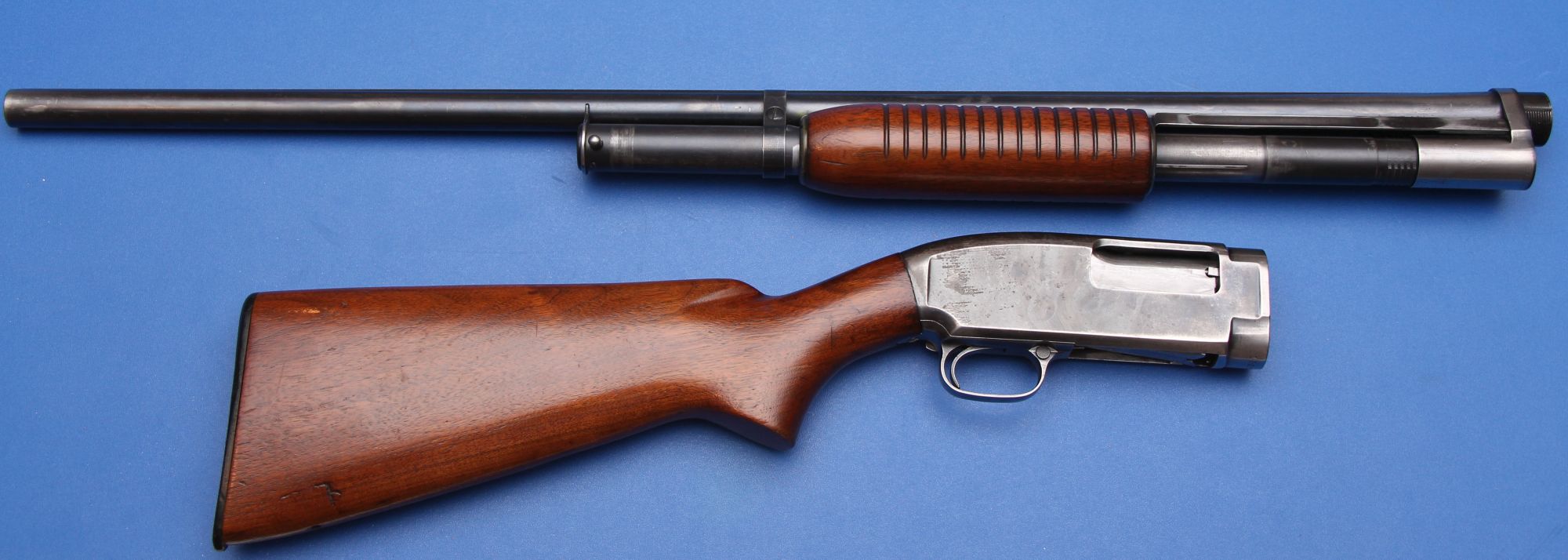
The Model 12 is a 12 gauge, pump action shotgun known for its smooth action and high-quality internal construction. Unlike modern shotguns that use stamped parts and aluminum receivers, the Model 12 is built from steel and walnut.
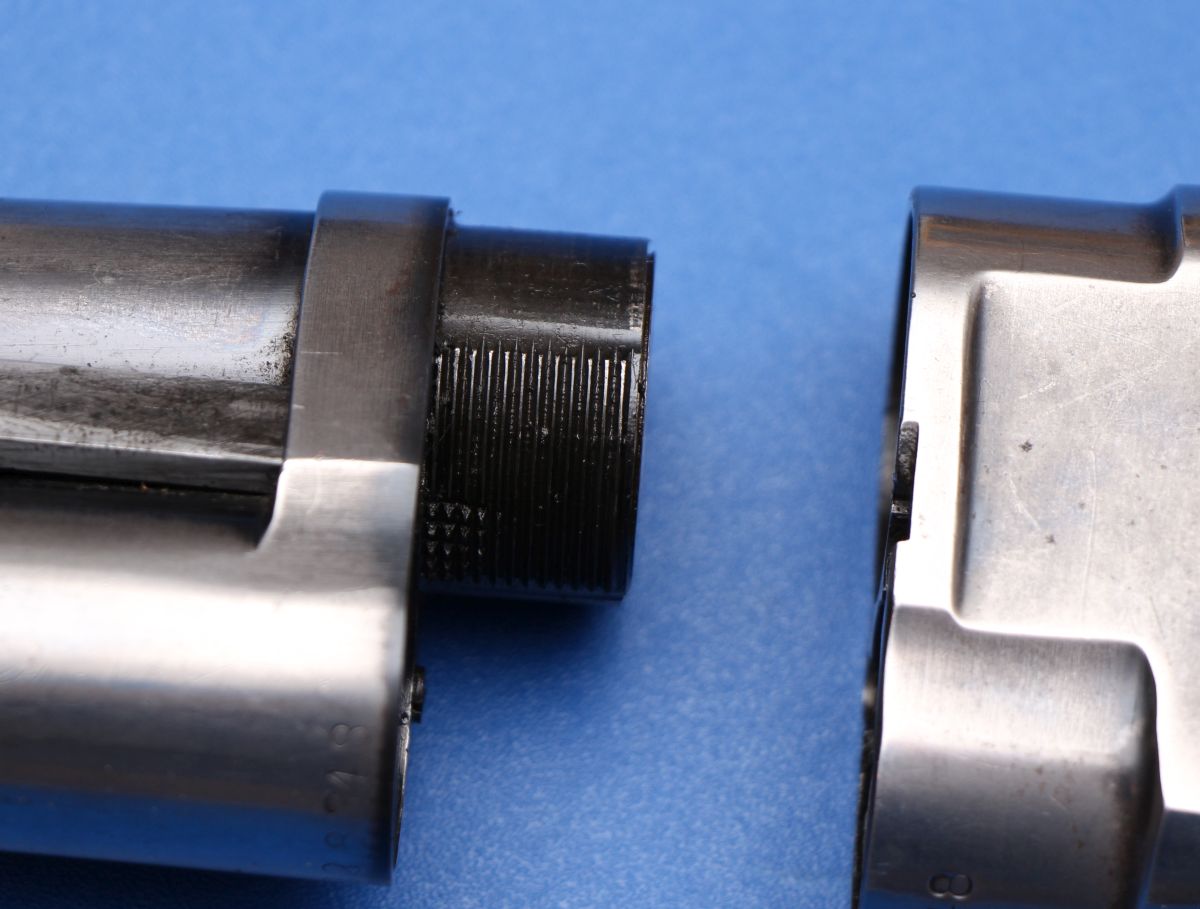
This model is a take down design, meaning the barrel and magazine tube can be easily separated from the receiver for transport or cleaning. While it was an innovative powerhouse in its day, using one today for modern hunting requires understanding its limitations regarding steel shot and shell length.
Specifications
- Action: Pump Action
- Gauge: 12 Gauge (also produced in 16, 20, 28, and .410)
- Chamber: 2 & 3/4″ (Standard on most vintage models)
- Capacity: [DETAIL NEEDED: Confirm 5+1 or 6+1 for this specific barrel length]
- Weight: Approximately 7.5 lbs (varies by barrel length)
- Choke: Usually Fixed (Full is common for this era)
- MSRP: Used price: $200 to $800 depending on condition and style of stock
Usability
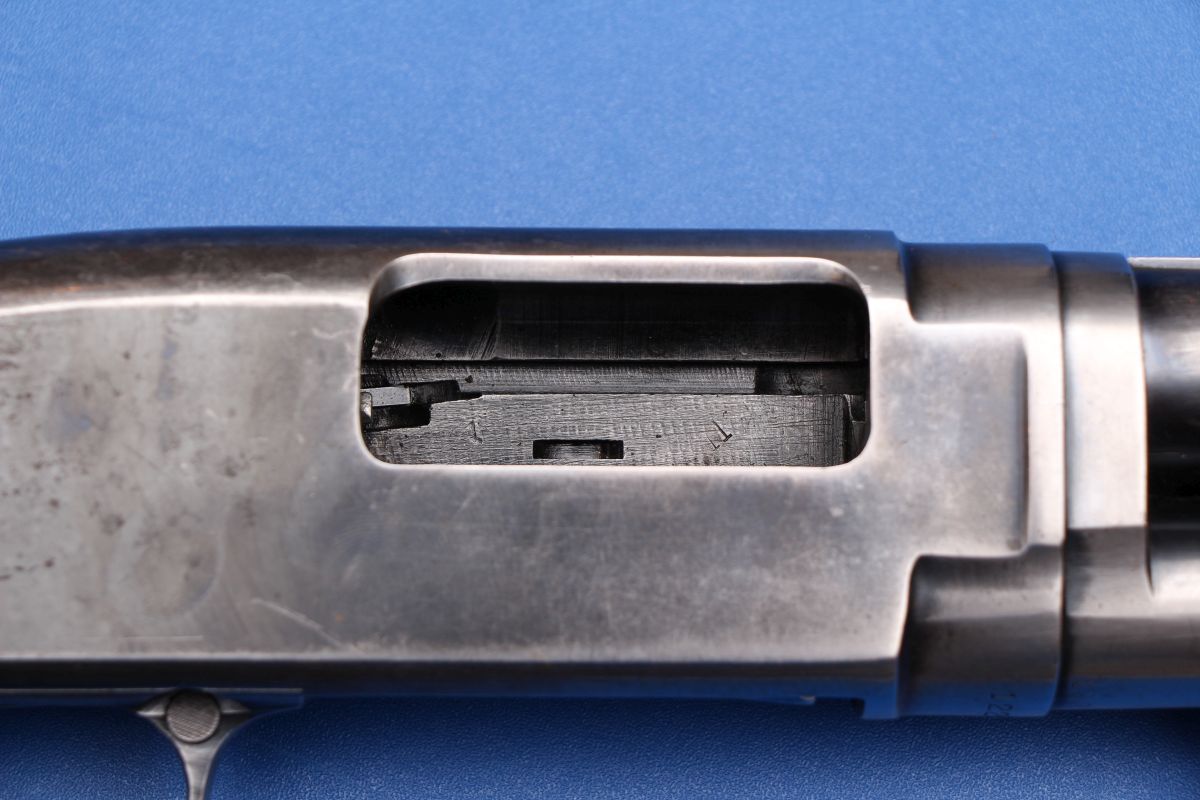
The Action The first thing you notice about a Model 12 is the machining. It uses a tilting bolt that locks into a recess in the receiver. The action release is located behind the trigger, and it is remarkably “springy” and responsive. Because of the high level of hand-fitting involved in these guns, the rack of the pump is often smoother than modern budget shotguns.
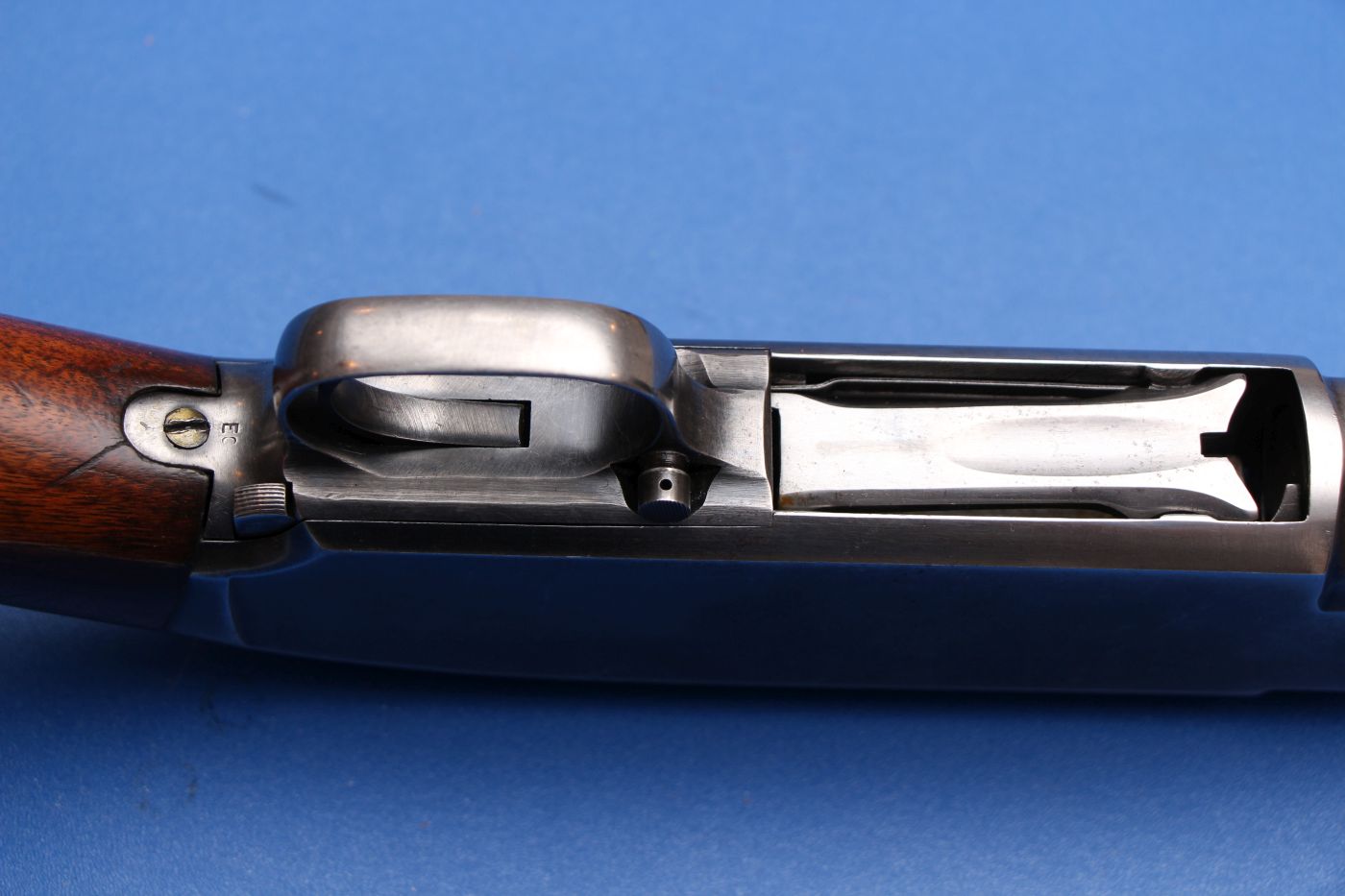
Loading and Unloading The loading mechanism is unique. It doesn’t have a traditional shell latch like a Remington 870. Instead, the lifter itself holds the shells in place. To load, you simply push the shell into the magazine and the lifter “pops” up to secure it. This makes unloading very easy: if you press down on the lifter, the shells will slide right out of the bottom without needing to cycle the action.
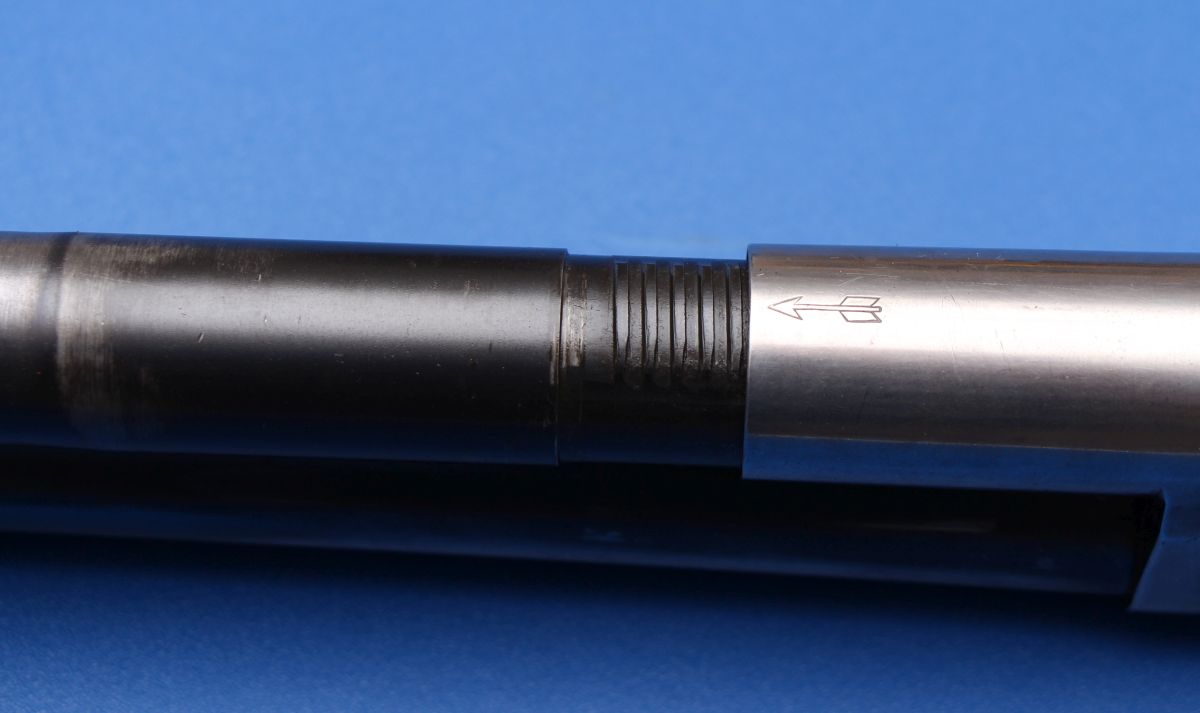
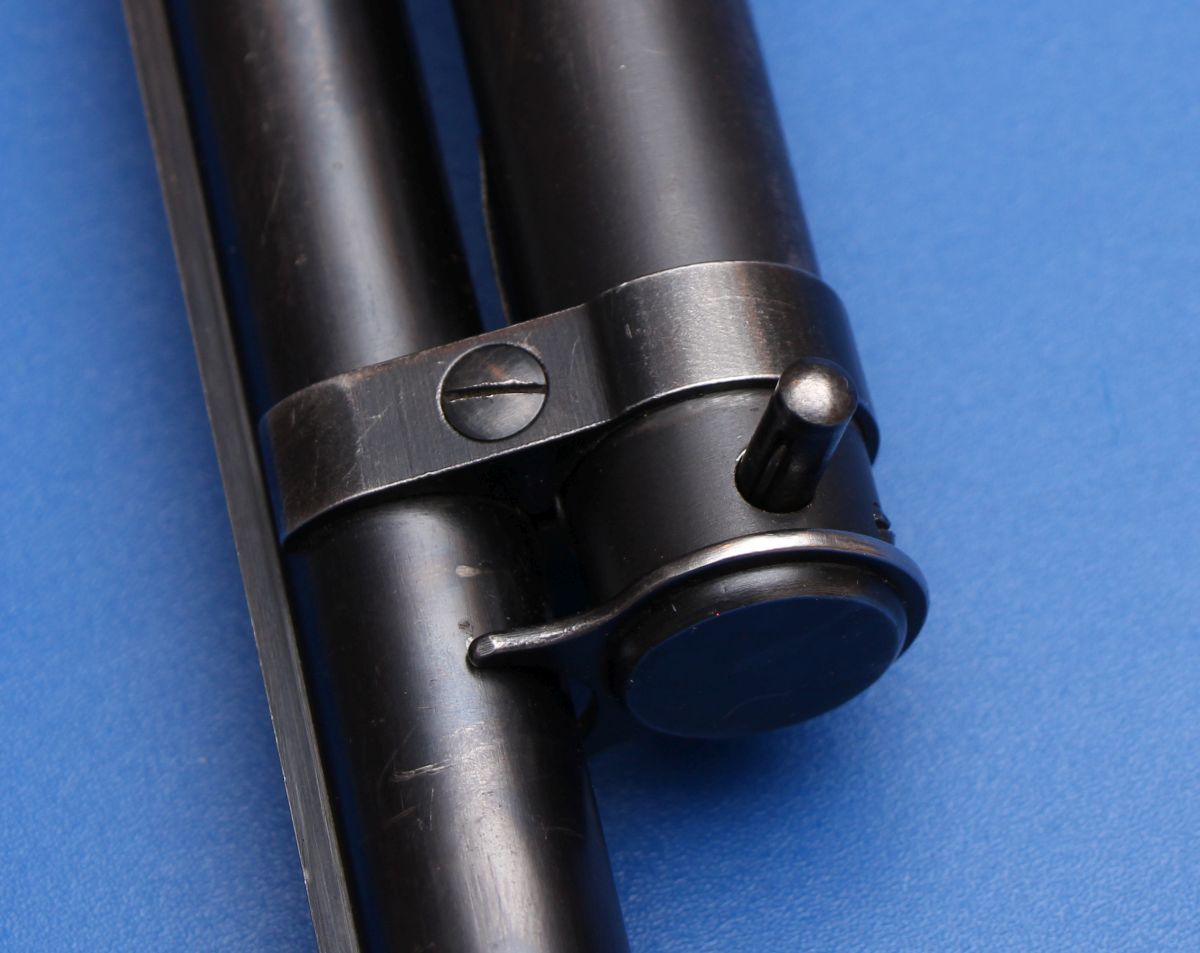
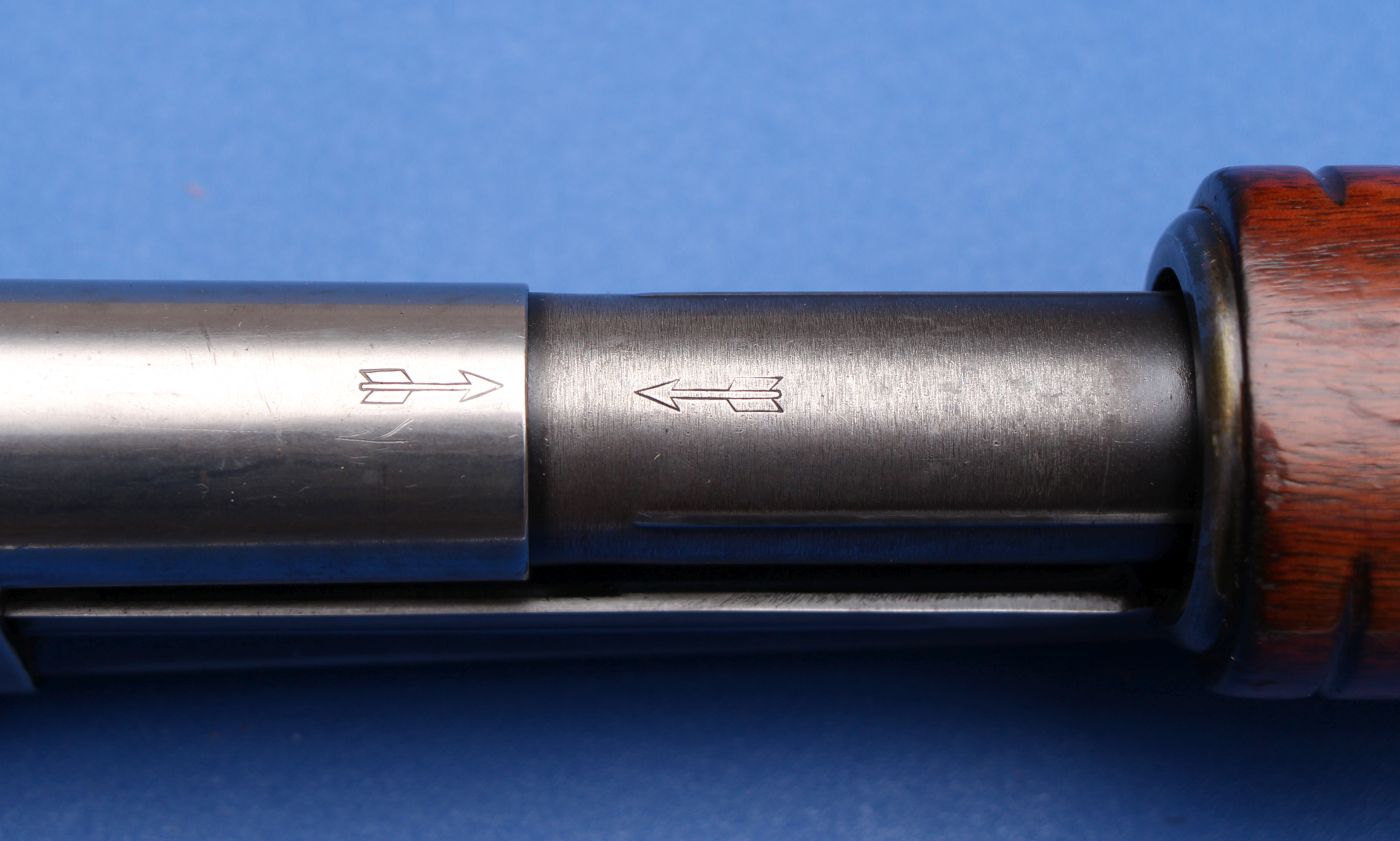
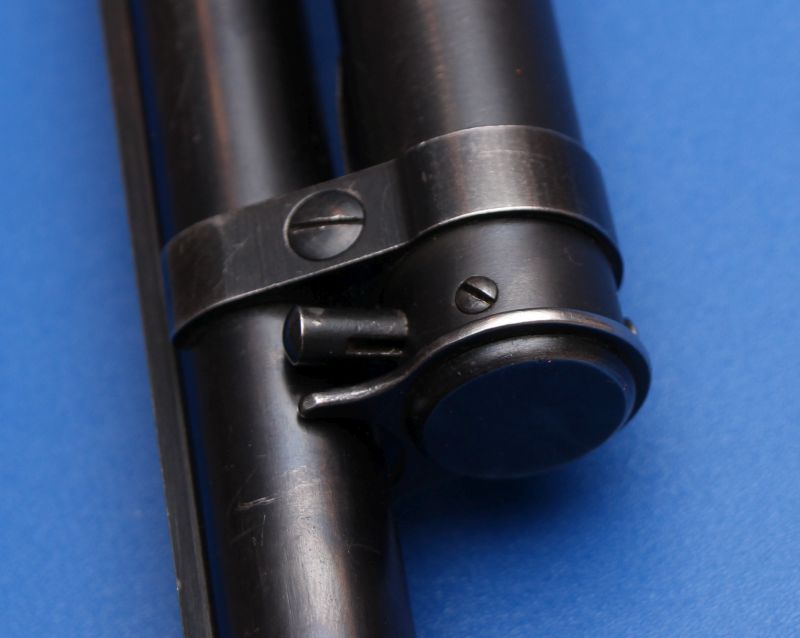
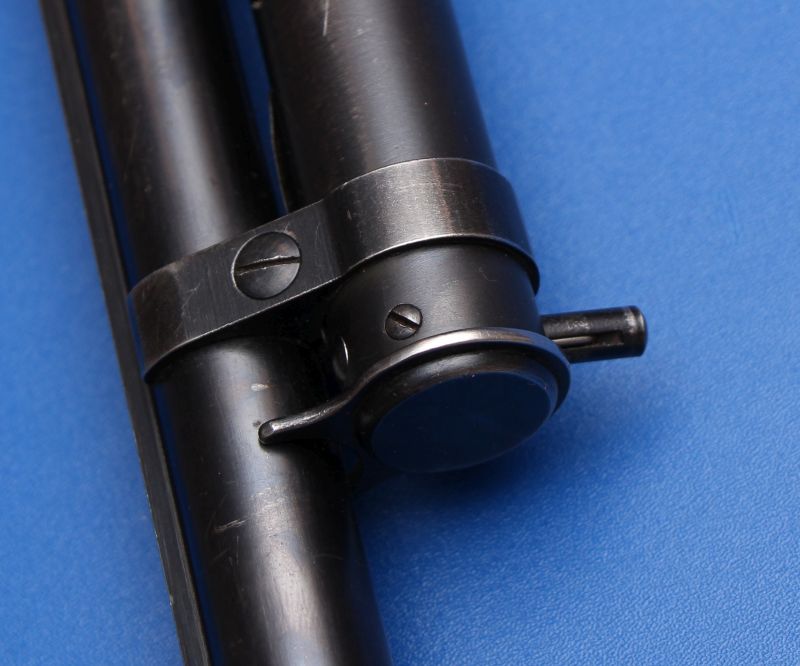
Disassembly The take down feature is a major highlight. By sliding a pin on the magazine tube and rotating the tube, the interrupted lugs disengage. The entire barrel and magazine assembly then twists 90 degrees and pulls away from the receiver.
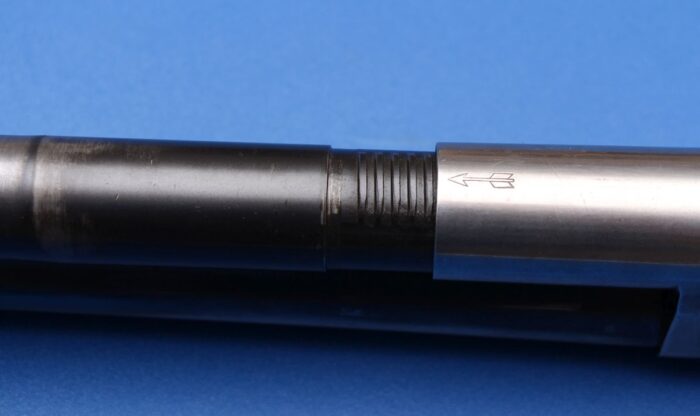
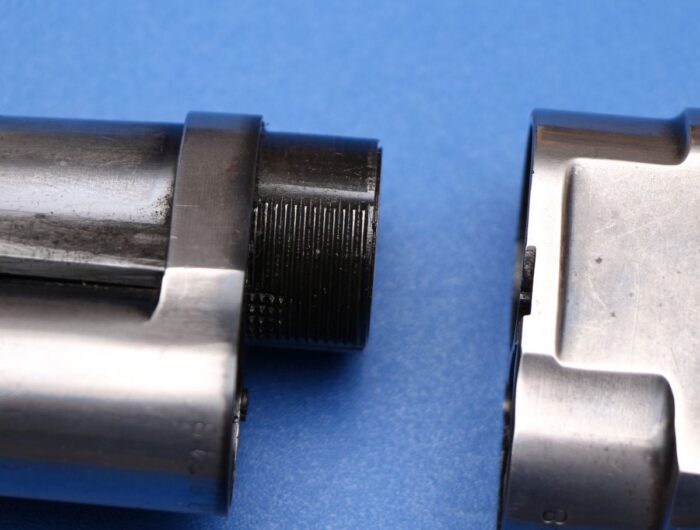
Warning: While the take down is easy, the internal trigger group and bolt removal is a pain in the ass. The ejector is held in by a small spring that is notoriously difficult to reseat without needle nose pliers and a lot of patience.
Aftermarket and Potential Modifications
Because the Model 12 has been out of production for decades, you won’t find a “tactical” aftermarket like you would for a Mossberg 500.
- Recoil Pads: Many older models have hard plastic butt plates. Adding a slip-on or fitted recoil pad is a common upgrade for comfort.
- Refinishing: Since many of these are found in “beater” condition for $200, they are popular candidates for DIY cold blueing or stock refinishing.
- Safety: The cross-bolt safety often loses its red “fire” indicator over time. This is easily fixed with a bit of red enamel paint.
Competitors
- Remington 870: The gun that eventually “killed” the Model 12. The 870 is cheaper to produce and easier to find parts for, but it lacks the “machined from a solid block” feel of the Winchester.
- Ithaca 37: Another classic bottom-ejecting pump that competes in the vintage market for “smoothness” and build quality.
- Mossberg 500: A modern, lightweight alternative that offers better versatility for steel shot and various barrel lengths.
Conclusion
Should you buy a Winchester Model 12?
For Waterfowl: Probably not. Most of these have fixed full chokes and 2 and 3/4 inch chambers. Running modern steel shot through an old fixed full choke can damage the barrel, and 2 and 3/4 inch shells are a disadvantage for ducks and geese.
For Upland/Small Game or clays: Absolutely. If you are hunting grouse, pheasant, rabbits, or shooting clays where lead shot is still legal, the Model 12 is a classy, reliable choice.
The Verdict: If you find one in the $200 to $400 range, it is a fantastic piece of history that still functions as a solid field gun. It’s a “pro” level tool that requires a bit more maintenance and knowledge than a modern plastic shotgun, but the build quality is something you just don’t see anymore.